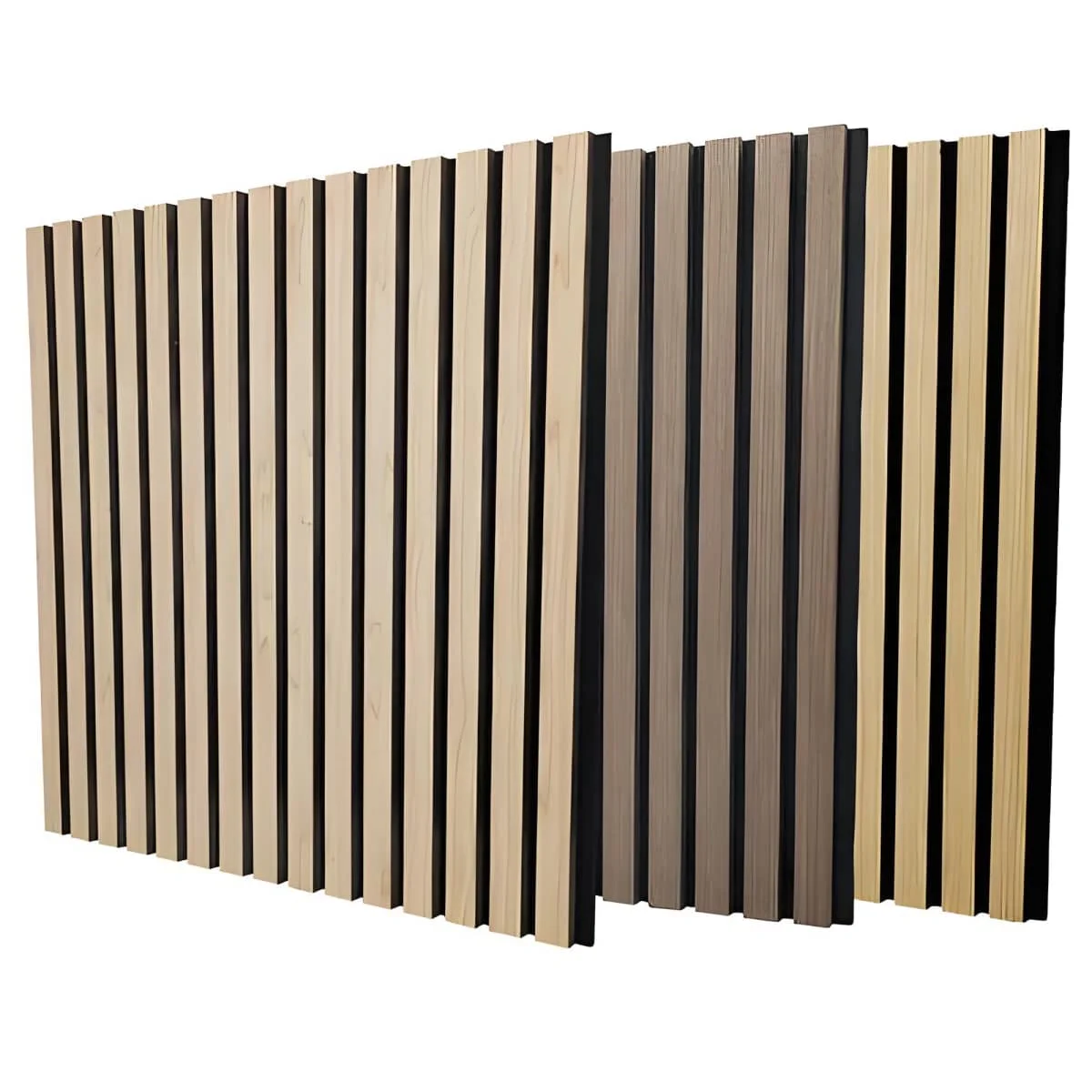
What Is Akupanel? A Practical Guide to Modern Acoustic Wall Panels
If you’ve ever walked into a modern office, boutique café, or home studio and noticed sleek, textured wall panels that somehow make the space feel quieter—chances are, you’ve seen an akupanel in action. But what exactly is it? Is it just another buzzword in interior design, or does it deliver real acoustic performance? Let’s break it down—no jargon overload, just clear, practical insights.
Akupanel is a premium line of modular acoustic wall panels designed and engineered in Europe (primarily by the Danish brand Ecophon, though the term is sometimes used generically). Unlike basic foam tiles or DIY fabric-wrapped boards, akupanel combines certified sound absorption (Class A rating per EN ISO 354), sustainable materials (often FSC-certified wood fiber or recycled PET felt), and architectural-grade aesthetics—all in one slim, easy-to-install system.
What sets akupanel apart isn’t just how it looks—it’s how it performs. Each panel is precision-engineered with micro-perforations and layered absorptive cores that target mid-to-high frequency noise: think chatter in open-plan offices, ringing in home gyms, or echo in podcast rooms. And because they’re modular, you’re not stuck with “one-size-fits-all” coverage—you can mix sizes, orientations, and even colors to match your brand or interior vibe.
Installation? Surprisingly straightforward. Most akupanel systems use a hidden aluminum rail or adhesive mounting—no messy glue, no heavy framing. That means faster turnaround, cleaner jobsites, and zero compromise on fire safety (many variants meet Euroclass B-s1,d0 or better).
Whether you’re an architect specifying for a new build, a facility manager tackling noise complaints, or a homeowner upgrading their creative space—akupanel offers a rare balance: professional-grade acoustics without sacrificing design integrity.
Quick-Fire Q&A: Your Akupanel Questions, Answered
- Q: How much noise does an akupanel actually reduce?
A: It’s not about “blocking” noise (that’s sound insulation), but absorbing reflected sound—reducing reverberation time (RT60). A typical akupanel achieves αw = 0.90–0.95 (near-perfect absorption in the 500–4000 Hz range), cutting echo by up to 70% in untreated rooms. Think: clearer speech, less mental fatigue, better audio recording. - Q: Can I install akupanel myself—or do I need a contractor?
A: Many DIY-savvy users install smaller akupanel kits using the included rail system and level. Larger commercial projects? We recommend certified installers—especially for ceiling-mounted or fire-rated variants. Pro tip: Always check local building codes and acoustic specs first. - Q: Are akupanel panels eco-friendly?
A: Yes—most are made from >60% recycled content (e.g., PET from plastic bottles) or rapidly renewable wood fiber. They’re also fully recyclable at end-of-life and carry EPDs (Environmental Product Declarations) and Declare Labels for transparency. - Q: Do akupanel colors and finishes affect acoustic performance?
A: Not significantly. Surface textures (e.g., smooth, ribbed, or woven felt) and perforation patterns are acoustically tuned during manufacturing—so your choice of charcoal grey vs. natural oak veneer won’t compromise absorption. Design freedom, backed by science. - Q: How does akupanel compare to cheaper acoustic foam or fabric panels?
A: Foam absorbs high frequencies well but fails below 500 Hz—and degrades over time. Fabric-wrapped fiberglass panels work, but often lack consistent density or fire certification. Akupanel delivers broader, more reliable absorption, superior durability, Class A fire ratings, and architectural finish—making it a long-term value play, not just a quick fix.
Bottom line? Akupanel isn’t just “another panel.” It’s a thoughtful convergence of acoustic science, sustainable manufacturing, and human-centered design. If your space feels too loud, too hollow, or just off, it might be time to listen—literally—to what akupanel can do.
{1, akupanel}{2, acoustic panels}{3, sound absorption}{4, office acoustics}{5, sustainable interior design}
本文由人工智能技术生成,基于公开技术资料和厂商官方信息整合撰写,以确保信息的时效性与客观性。我们建议您将所有信息作为决策参考,并最终以各云厂商官方页面的最新公告为准。