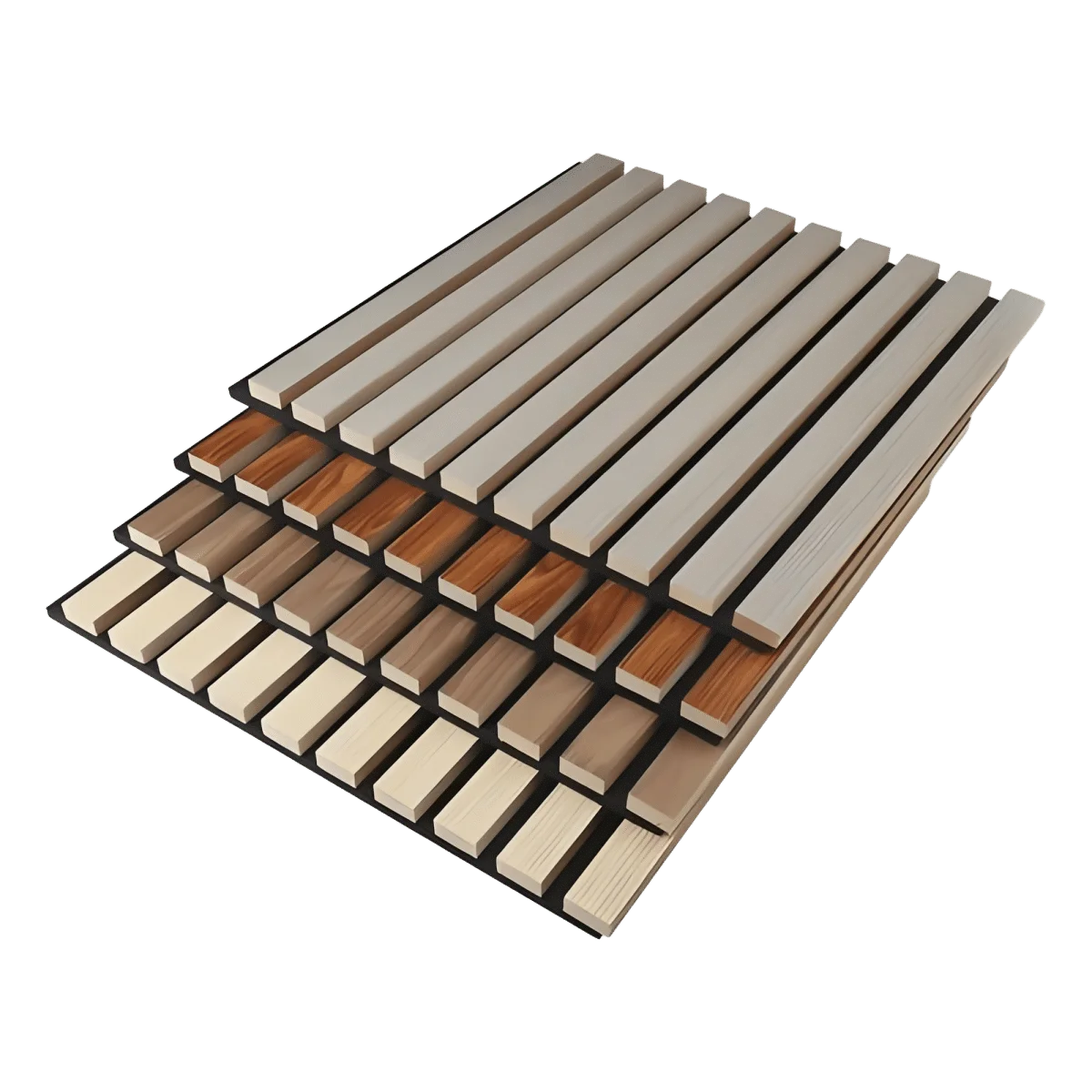
What Is Akupanel? A Practical Guide to Acoustic Wall Panels for Modern Spaces
Let’s cut to the chase: if you’ve ever walked into a café, co-working space, or even a home office and thought, “Wow—this place sounds as good as it looks,” you’ve probably encountered akupanel—or something very much like it.
Akupanel isn’t a brand name or a proprietary technology. It’s a widely used, phonetic spelling (often seen in European markets and SEO searches) for acoustic panels—specifically, modular, aesthetically refined wall-mounted sound absorbers designed to tackle echo, reverberation, and mid-to-high-frequency noise. Think of them as the quiet heroes of interior design: functional, elegant, and increasingly essential in our open-plan, video-call-heavy world.
Unlike bulky foam tiles or industrial baffles, modern akupanel systems prioritize both performance and presence. They’re commonly made from sustainable wood wool, recycled PET felt, mineral fiber, or perforated MDF with acoustic backing—and they come in a range of textures, colors, and custom-cut patterns. Whether you’re calming a noisy living room, optimizing a podcast studio, or meeting acoustic compliance in a new office build, akupanel solutions offer a smart, scalable fix.
And yes—they’re not just for “loud” spaces. Even subtle reverb in a bedroom or home gym can fatigue your ears over time. Akupanel helps create sonic comfort, not just silence.
Why Akupanel Is Gaining Real Traction (Beyond the Buzzword)
It’s not hype—it’s physics meeting practicality. As buildings lean into glass, concrete, and minimal finishes, natural sound absorption plummets. Hard surfaces reflect sound; akupanel absorbs it. The result? Improved speech intelligibility, reduced listener fatigue, better focus, and even lower perceived noise levels—without needing to crank up the HVAC or add bulky insulation.
Plus, today’s akupanel products are designed for DIY-friendly installation (many use Z-clips or adhesive backing), come with certified NRC (Noise Reduction Coefficient) ratings (typically 0.55–0.95), and increasingly align with green building standards (EPD, Cradle to Cradle, FSC-certified wood). That means they’re not just acoustically smart—they’re environmentally and commercially savvy, too.
5 Common Questions About Akupanel—Answered Honestly
- Q: Is “akupanel” a brand—or just a generic term?
A: It’s primarily a phonetic, SEO-friendly variant of “acoustic panel”—especially common in German-, Dutch-, and Scandinavian-language searches (think akustik + panel). You won’t find a single company named “Akupanel” dominating the market—but dozens of reputable manufacturers (like Ecophon, Knauf, Troldtekt, and modern design-led brands like Duna Acoustics or Autex) produce panels often referred to colloquially as akupanel. - Q: Can akupanel actually reduce low-frequency noise (like bass or traffic rumble)?
A: Standard akupanel is most effective for mid-to-high frequencies (500 Hz–4000 Hz)—think voices, keyboards, and general chatter. For low-end energy (below 250 Hz), you’ll need thicker, denser solutions: bass traps, membrane absorbers, or hybrid panels with air gaps. So while akupanel improves clarity and comfort, don’t expect it to fully silence a subwoofer or distant highway noise on its own. - Q: How much wall coverage do I need for noticeable improvement?
A: A good rule of thumb: start with 15–30% of your total wall surface area (excluding windows and doors), prioritizing first-reflection points—especially on side walls between speakers/listeners and on the ceiling plane above workspaces. In highly reverberant rooms (e.g., tiled bathrooms or concrete lofts), 35–45% coverage may be ideal. Use an online RT60 calculator or consult an acoustician for precision—but even 8–10 strategically placed panels make a perceptible difference. - Q: Are akupanel options safe for kids’ rooms or healthcare settings?
A: Yes—when sourced from certified suppliers. Look for panels with Class A (or EN 13501-1 A1/A2-s1,d0) fire ratings, low-VOC adhesives, and non-toxic, non-fiberglass facing materials (e.g., wool felt or bio-based PET). Many akupanel products are also tested for durability, cleanability, and resistance to impact or scratching—key for schools, clinics, and nurseries. - Q: Can I paint or customize akupanel myself?
A: It depends on the core material. Felt- or fabric-wrapped panels? Generally no—paint clogs pores and kills absorption. Wood wool or perforated MDF panels? Often yes—with water-based, acoustic-safe paints (always test first). Better yet: choose from manufacturer-offered custom colors, laser-cut patterns, or integrated LED backlighting. Customization is now table stakes—not an afterthought.
Bottom line? Akupanel isn’t magic—but it is measurable, accessible, and increasingly beautiful. Whether you’re an architect specifying for a new build, a remote worker upgrading their Zoom background, or a café owner chasing that perfect “warm but clear” ambiance, akupanel bridges the gap between acoustic science and everyday life. And in a world that’s louder, more connected, and more design-conscious than ever? That’s not just useful. It’s essential.
{1, akupanel} {2, acoustic panels} {3, sound absorption} {4, interior acoustics} {5, NRC rating}
本文由人工智能技术生成,基于公开技术资料和厂商官方信息整合撰写,以确保信息的时效性与客观性。我们建议您将所有信息作为决策参考,并最终以各云厂商官方页面的最新公告为准。