
How to Choose the Right Akupanel for Your Space
If you’ve been exploring ways to improve sound quality in offices, studios, or even your living room, you might have come across the term akupanel. But what exactly is an akupanel, and why is it gaining so much attention in architectural and interior design circles? Let’s dive into this innovative acoustic solution that’s changing the way we think about sound control.
Understanding Akupanel: More Than Just a Pretty Panel
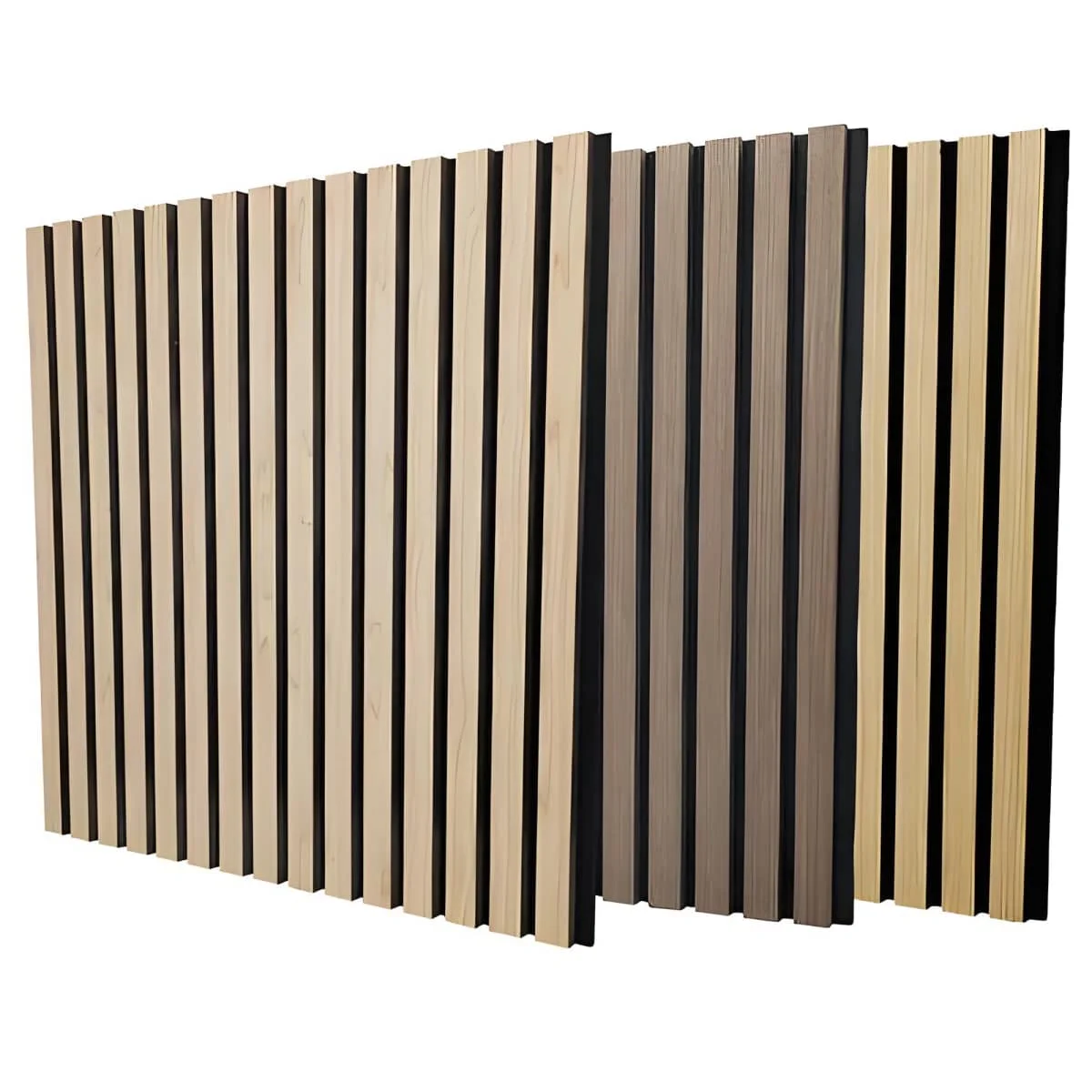
An akupanel is a type of acoustic panel designed to absorb sound waves, reduce echo, and enhance overall sound clarity in indoor environments. Unlike traditional foam panels or bulky wall treatments, akupanels are sleek, modern, and often customizable in design. They’re made from high-density materials like recycled wood fibers, felt, or specialized acoustic foams, engineered to target mid to high-frequency sound waves.
But here’s the kicker—akupanels aren’t just functional. They’re designed to be part of your decor. Whether you’re going for a minimalist office vibe or a bold artistic statement, akupanels come in a range of colors, shapes, and patterns. Some even double as artwork.
How Does an Akupanel Work?
Sound travels in waves. In a room with hard surfaces—like glass, concrete, or drywall—these waves bounce around, creating reverb and making speech or music sound muddy. This is where akupanels come in.
When sound waves hit an akupanel, the porous material converts the acoustic energy into a tiny amount of heat through friction. This process is called sound absorption. The panel’s thickness, density, and mounting method all influence how well it performs.
For example, a 2-inch thick akupanel mounted with an air gap behind it will absorb lower frequencies better than one flush against the wall. This makes them incredibly versatile for different acoustic needs.
Where Are Akupanels Used?
The applications for akupanels are surprisingly broad. Here are just a few common use cases:
- Recording Studios: Musicians and audio engineers use akupanels to create controlled acoustic environments, ensuring clean recordings without unwanted echoes.
- Home Theaters: Want crisp dialogue and immersive sound? Akupanels help eliminate background noise and echo for a cinematic experience.
- Open-Plan Offices: With the rise of collaborative workspaces, noise pollution has become a real issue. Akupanels on walls or ceilings can significantly reduce ambient noise, boosting focus and productivity.
- Educational Spaces: Classrooms and lecture halls benefit from improved speech intelligibility, helping students hear and understand better.
- Restaurants and Cafés: These spaces often suffer from high noise levels due to hard surfaces. Akupanels can make conversations easier without sacrificing style.
Even homes are getting in on the trend. People are installing akupanels in home offices, media rooms, and even bedrooms for better sleep and relaxation.
Why Choose Akupanel Over Other Acoustic Solutions?
You might be wondering—why not just use regular acoustic foam or fabric-wrapped panels? Great question. Here’s why akupanels stand out:
1. Aesthetic Flexibility
Many acoustic treatments look industrial or out of place in modern interiors. Akupanels, on the other hand, are designed with aesthetics in mind. You can find options that mimic wood grain, geometric patterns, or even custom-printed designs. Some brands even let you upload your own artwork.
2. Eco-Friendly Materials
Sustainability matters. Many akupanels are made from recycled or renewable materials. For instance, some use PET felt from recycled plastic bottles—eco-friendly and highly effective at sound absorption.
3. Easy Installation
Most akupanels are lightweight and come with simple mounting systems—think adhesive strips, z-clips, or even magnetic backings. No need for heavy tools or professional installers in most cases.
4. High NRC Ratings
NRC (Noise Reduction Coefficient) measures how well a material absorbs sound. Akupanels often have NRC ratings between 0.7 and 1.0, meaning they absorb 70% to 100% of sound energy. That’s top-tier performance.
How to Choose the Right Akupanel for Your Space
Not all akupanels are created equal. Here are a few factors to consider:
- Room Size and Purpose: A small podcast booth needs less coverage than a large conference room. Calculate your room’s surface area and aim to cover 15–30% of walls or ceiling for noticeable improvement.
- Frequency Range: If you’re dealing with deep bass (like in a home theater), look for thicker panels or ones designed for low-frequency absorption.
- Fire Safety: In commercial settings, ensure your akupanels meet local fire codes (e.g., Class A fire rating).
- Budget: Prices vary widely. DIY kits are affordable, while custom-designed panels can be a premium investment.
Pro tip: Place panels at first reflection points—where sound bounces directly from speakers to your ears. In a room with speakers, these are typically on the side walls, about halfway between the source and listening position.
DIY vs. Pre-Made Akupanels: What’s Best?
There’s a growing trend of DIY akupanels—people building their own using insulation boards and fabric. It’s cost-effective and customizable, but it requires time, tools, and some acoustic knowledge.
Pre-made akupanels, while more expensive, offer consistency, tested performance, and often come with warranties. They’re ideal if you want a plug-and-play solution with professional results.
For most homeowners and small businesses, pre-made akupanels are the smarter choice. The time saved and performance guaranteed usually justify the cost.