What Is Akupanel? A Practical Guide to Modern Acoustic Wall Panels
If you’ve ever walked into a lively café, a crisp home office, or a serene yoga studio and instantly noticed how quiet and comfortable the space felt—even with people talking, keyboards clicking, or music playing—you’ve likely experienced the subtle magic of acoustic panels. Among the standout names in this space is Akupanel—a premium, design-forward acoustic solution that’s gaining serious traction among architects, interior designers, and savvy homeowners alike.
But what exactly is Akupanel? Is it just another fancy wall tile? Or is there more beneath the surface? Let’s break it down—clearly, practically, and without the jargon overload.
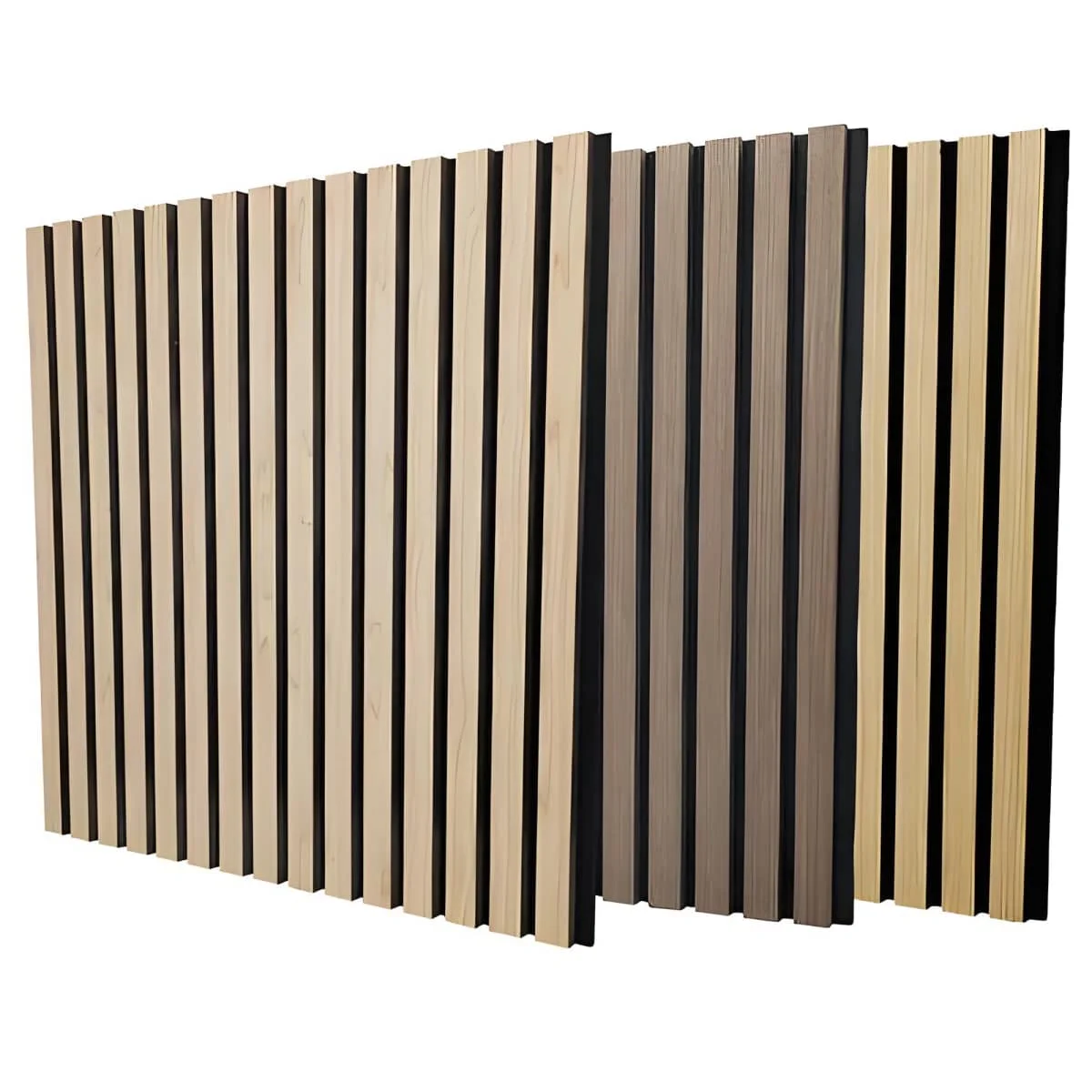
Akupanel isn’t a generic brand—it’s a specific product line developed by the Danish acoustic innovation company Ecophon, known for its science-backed, human-centered approach to sound control. Each Akupanel combines high-performance sound absorption (tested to Class A, the highest European rating) with real wood veneer, fabric-wrapped, or mineral fiber surfaces—so it doesn’t just work, it belongs. Whether mounted vertically as a feature wall, arranged in rhythmic grids, or used to soften a home theater’s echo, Akupanel bridges acoustics and aesthetics seamlessly.
What sets it apart isn’t just performance—it’s versatility. Unlike rigid, one-size-fits-all panels, Akupanel comes in modular sizes (commonly 600 × 600 mm or 600 × 1200 mm), multiple thicknesses (25 mm or 40 mm), and a wide range of sustainable materials—including FSC-certified oak, walnut, and beech veneers, as well as recyclable polyester fabrics. Installation is straightforward (track-mounted or direct-fixed), and because it’s CE-marked and tested per EN ISO 354 and EN ISO 11654, it meets strict EU fire and safety standards—making it suitable for both residential and commercial use (offices, schools, clinics, even open-plan co-working spaces).
Importantly, Akupanel isn’t about killing sound—it’s about shaping it. It reduces reverberation time (RT60), minimizes speech distraction, and enhances speech intelligibility—so your Zoom calls sound clearer, your podcast recordings stay crisp, and your living room feels calmer—not dead.
And yes—it’s Instagram-friendly. Seriously. Designers love it because a single Akupanel wall can anchor a room’s visual rhythm while solving real acoustic pain points. No more choosing between “quiet” and “beautiful.”
Now, let’s tackle the questions we hear most often:
Frequently Asked Questions
1. How does Akupanel compare to standard foam acoustic panels?
Akupanel outperforms typical open-cell foam panels in both absorption efficiency (especially in the critical mid-to-low frequency range) and durability. Foam panels often degrade over time, lack fire resistance, and look temporary or “studio-ish.” Akupanel is built for architecture—not just acoustics—with certified fire performance (Class B-s1,d0 or better), long-term stability, and timeless material finishes.
2. Can Akupanel be used in humid areas like bathrooms or kitchens?
Yes—but with caveats. Standard wood-veneer Akupanel isn’t recommended for high-humidity, unventilated spaces. However, Ecophon offers moisture-resistant variants (e.g., Akupanel with glass fiber reinforced gypsum or coated fabric surfaces) suitable for controlled-humidity environments. Always consult the technical datasheet and consider local ventilation conditions.
3. Does Akupanel help with soundproofing (blocking noise from adjacent rooms)?
Not significantly. Akupanel is primarily an absorptive solution—it manages sound within a room (reverberation, echo, clarity). For transmission loss (i.e., blocking sound between rooms), you’d need mass, decoupling, and sealing—think resilient channels, dense drywall, or specialized isolation systems. Think of Akupanel as the “voice coach” for your room—not the “security guard” at the door.
4. Is Akupanel eco-friendly?
Absolutely. Most Akupanel variants contain >60% recycled content (especially the mineral fiber core), are fully recyclable at end-of-life, and carry EPDs (Environmental Product Declarations). The wood veneers are FSC® or PEFC™ certified, and production follows ISO 14001 environmental management standards. It’s acoustic design with integrity.
5. How much Akupanel do I actually need for my space?
There’s no universal %—but a practical starting point is covering 20–35% of your wall and ceiling surface area, prioritizing first-reflection points (e.g., walls opposite speakers or desks, ceiling zones above workstations). For precise recommendations, use a room analysis tool or work with an acoustic consultant. Bonus tip: Even a well-placed 2 × 3 m Akupanel feature wall can measurably improve speech clarity in a 25 m² living room.
Whether you’re tuning a creative studio, calming a busy open-plan office, or simply reclaiming peace in your own home—Akupanel proves that great acoustics don’t have to hide in the background. They can be seen, touched, and appreciated—every day.
{1, Akupanel} {2, acoustic panels} {3, sound absorption} {4, interior acoustics} {5, Ecophon}
本文由人工智能技术生成,基于公开技术资料和厂商官方信息整合撰写,以确保信息的时效性与客观性。我们建议您将所有信息作为决策参考,并最终以各云厂商官方页面的最新公告为准。