What Is Akupanel? A Practical Guide to Modern Acoustic Wall Panels
If you’ve ever walked into a lively café, a crisp home office, or a serene yoga studio and instantly noticed how quiet and comfortable the space felt—even with people talking, music playing, or equipment humming—you’ve likely experienced the quiet magic of acoustic panels. And among today’s most versatile, design-forward solutions? Enter akupanel.
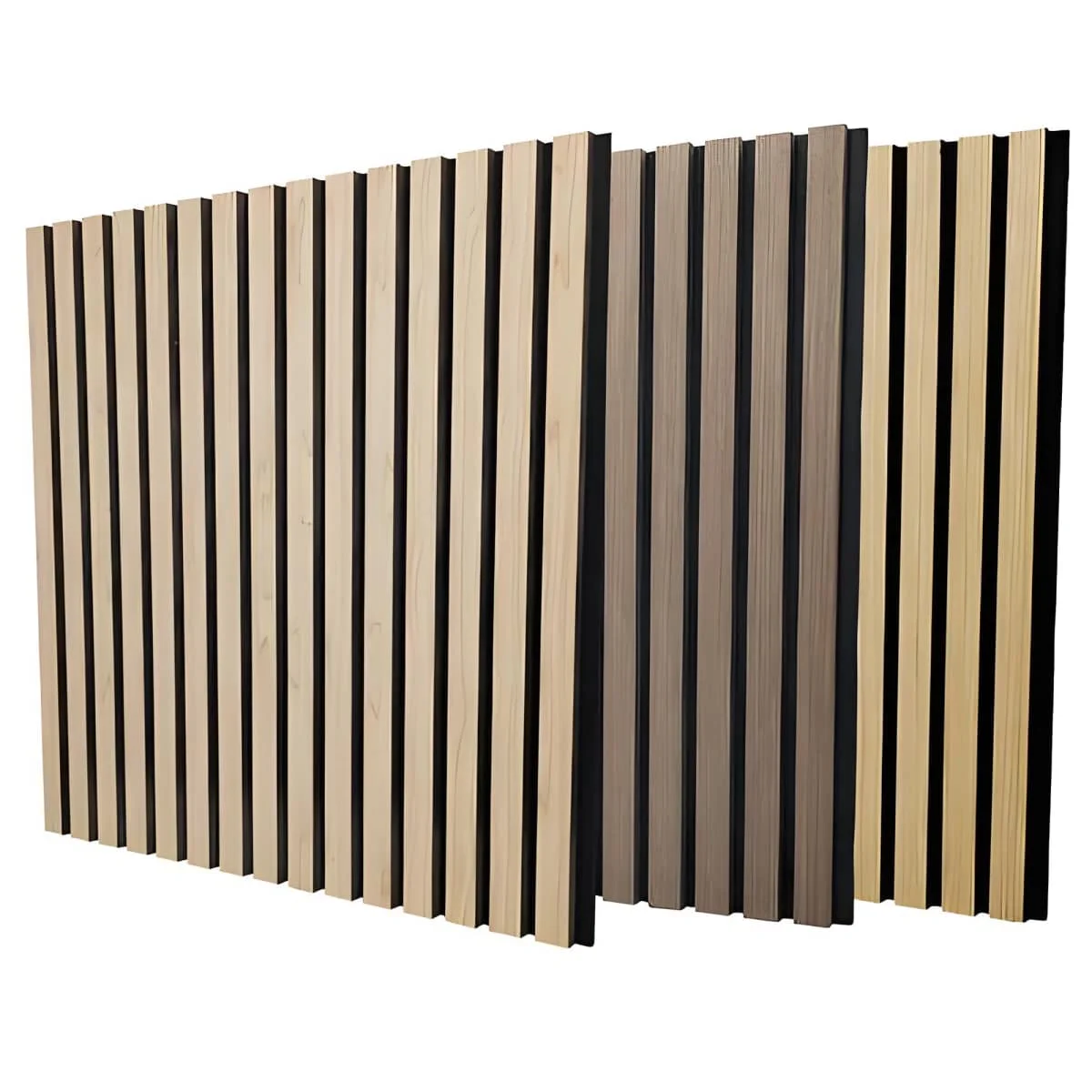
Akupanel isn’t a brand—it’s a category-defining product line of modular, high-performance acoustic wall panels known for blending exceptional sound absorption with real wood finishes, sustainable materials, and plug-and-play installation. Born from Scandinavian design sensibility and engineered for real-world performance, akupanel panels are increasingly chosen by architects, interior designers, hybrid workers, and even apartment dwellers tired of echoey living rooms or home-office reverberation.
Unlike bulky, industrial-looking foam tiles or generic fabric-wrapped panels, akupanel stands out for its clean aesthetic, natural textures (think oak, walnut, or birch veneers), and intelligent acoustic core—typically made from recycled PET felt or bio-based acoustic foam. Each panel is precision-cut, lightweight, and designed to mount seamlessly on drywall, concrete, or even glass—no heavy framing or professional contractors required.
What makes akupanel especially relevant right now? Remote work, open-plan living, and rising awareness of how sound impacts focus, stress, and well-being. A 2023 study in Building and Environment confirmed that reducing mid-frequency reverberation (500–2000 Hz—the range of human speech) can improve speech intelligibility by up to 37% and lower perceived noise stress by over 40%. Akupanel panels are tuned specifically for this range—making them ideal for living rooms, home offices, podcast corners, classrooms, and creative studios.
And yes—they’re Instagram-friendly. But more importantly, they’re acoustically honest. No marketing fluff: akupanel’s NRC (Noise Reduction Coefficient) ratings typically range from 0.75 to 0.95 depending on configuration and thickness—meaning they absorb up to 95% of mid-to-high frequency sound on contact. That’s studio-grade performance, wrapped in warm, tactile wood.
Whether you’re soundproofing a noisy basement gym or elevating the ambiance of a boutique clinic, akupanel delivers measurable acoustic improvement without compromising on design integrity. It’s not just about silencing noise—it’s about shaping space with intention.
Frequently Asked Questions (FAQs)
1. Is akupanel the same as soundproofing?
No—akupanel is primarily for sound absorption, not soundproofing. It reduces echo, reverberation, and ambient noise within a room (like chatter or TV hum), but won’t block sound from traveling between rooms (e.g., neighbor’s bass or street traffic). For true sound isolation, you’d need mass-loaded barriers, decoupled walls, or insulation—akupanel complements those strategies but doesn’t replace them.
2. Can I install akupanel myself?
Absolutely—and that’s one of its biggest strengths. Most akupanel systems use a simple rail-and-click or adhesive-mount system. With basic tools (a level, pencil, and maybe a drill), a DIYer can install a full 10-panel wall in under 3 hours. Full video guides and printable templates are provided by official distributors. Pro tip: Start from the center and work outward for symmetrical alignment.
3. Do akupanel panels work for low-frequency noise (like bass or HVAC rumble)?
Standard akupanel configurations excel at mid-to-high frequencies (speech, clatter, keyboard taps). For low-end energy (<250 Hz), you’ll get modest improvement—but not elimination. For bass-heavy environments (home theaters, music rooms), pairing akupanel with strategically placed bass traps or thicker 60 mm panels significantly boosts low-mid control. Think of it as acoustic layering—not a one-size-fits-all fix.
4. Are akupanel panels eco-friendly?
Yes—sustainability is core to the akupanel philosophy. The acoustic core is often made from 100% post-consumer recycled PET (from plastic bottles) or rapidly renewable wood fiber. Veneers are FSC®-certified, adhesives are low-VOC, and packaging is plastic-free and recyclable. Many configurations are fully disassemblable for future reuse or recycling—no glue-down permanence.
5. How do I choose the right akupanel for my space?
Start with your goal: reducing echo in a living room? Go for 40 mm panels in a rhythmic grid. Optimizing speech clarity in a home office? Try 50 mm panels with staggered layout near your desk and seating. Prioritizing aesthetics? Match veneer to your furniture—light oak for Scandi minimalism, smoked walnut for moody sophistication. Bonus: Use the free online akupanel configurator (available via most authorized dealers) to upload your room photo and simulate layouts + NRC impact in real time.
{1, akupanel} {2, acoustic panels} {3, sound absorption} {4, home office acoustics} {5, sustainable interior design}
本文由人工智能技术生成,基于公开技术资料和厂商官方信息整合撰写,以确保信息的时效性与客观性。我们建议您将所有信息作为决策参考,并最终以各云厂商官方页面的最新公告为准。