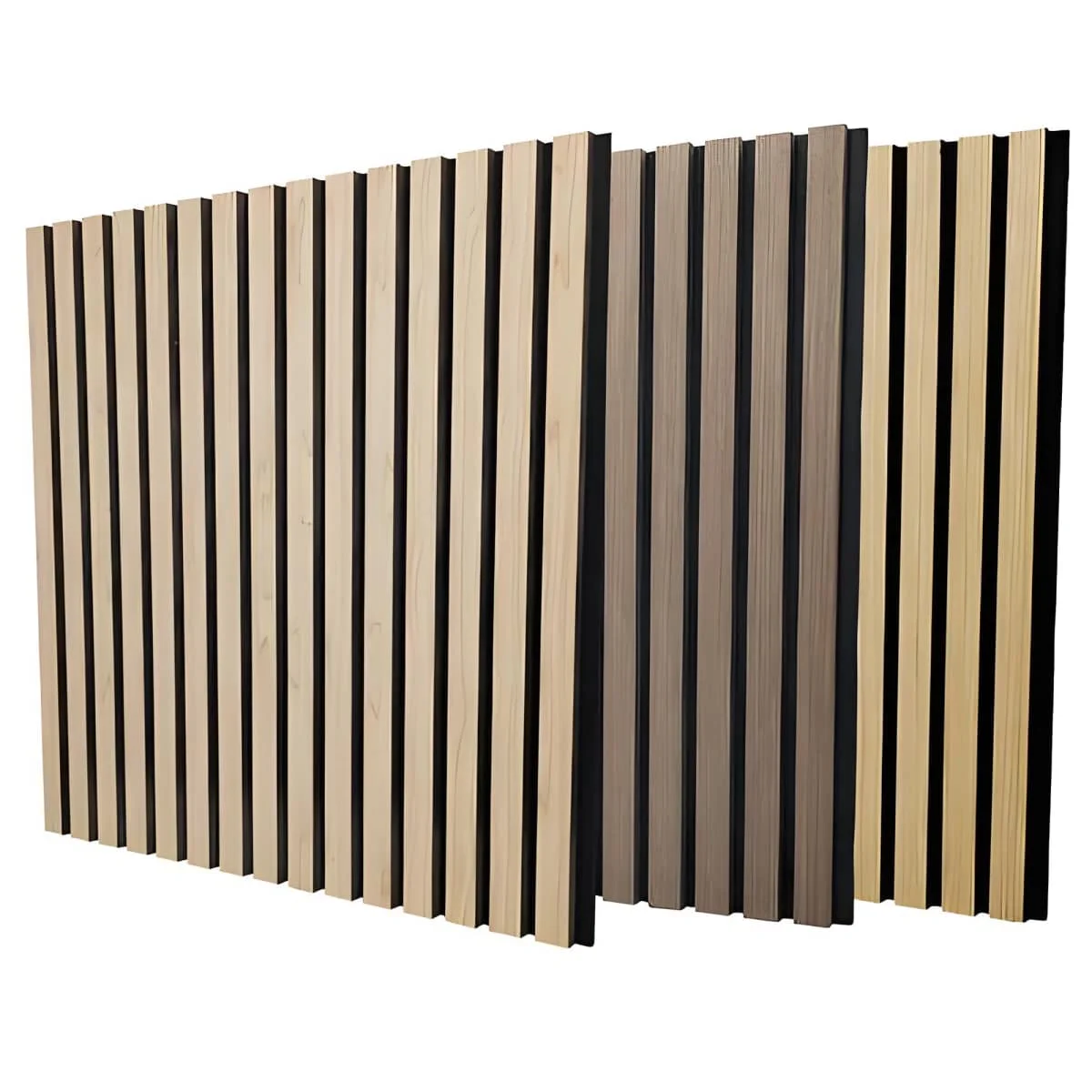
What Is Akupanel? A Practical Guide to Modern Acoustic Wall Panels
If you’ve ever walked into a lively café, a home office buzzing with Zoom calls, or even a newly renovated living room—and suddenly noticed how quiet it feels, not in a dead way, but in a warm, focused, comfortable way—you’ve likely encountered the quiet magic of acoustic panels. And among the most talked-about, design-forward options on the market today? Akupanel.
No, it’s not a typo—and yes, it’s intentionally stylized that way. Akupanel (note the “k”) is a premium line of modular acoustic wall panels developed by the Swedish brand Ecophon, part of the Saint-Gobain group. Designed for both performance and aesthetics, Akupanel bridges the gap between technical sound absorption and interior design expression—without hiding behind generic foam or industrial-looking baffles.
What sets Akupanel apart isn’t just its Scandinavian minimalism—it’s the intelligent material science behind it. Each panel combines a high-density wood wool core (sustainably sourced, naturally fire-resistant and moisture-tolerant) with a breathable, open-weave fabric or perforated metal facing. This dual-layer system delivers Class A sound absorption (the highest rating per ASTM C423), especially in the critical mid-to-high frequency range where human speech and office noise live—making it ideal for open-plan offices, hybrid workspaces, classrooms, hospitality lobbies, and even high-end residential studios.
But here’s the real win: Akupanel isn’t “installed and forgotten.” It’s modular, tool-free (in most configurations), and fully customizable—choose from over 30 fabric colors, three core thicknesses (25 mm, 40 mm, and 60 mm), and multiple mounting options: surface-mounted, suspended, or even integrated into ceilings and partitions. Plus, it’s Cradle to Cradle Certified™ Silver and EPD-verified—so sustainability isn’t just a buzzword here; it’s built in.
Whether you’re an architect specifying for a LEED project, an interior designer curating a wellness-focused clinic, or a remote worker tired of echoey video calls, Akupanel offers a rare blend: acoustic integrity with visual warmth. It doesn’t mute a room—it refines it.
Quick-fire Q&A: Everything You’ve Wondered About Akupanel
- Is Akupanel only for commercial spaces?
Not at all! While it’s widely used in offices and schools, homeowners love it for home theaters, podcast studios, open-plan kitchens, and even nurseries—especially where speech clarity and noise reduction matter without sacrificing style. - How does Akupanel compare to traditional acoustic foam?
Big difference. Foam is often low-density, visually limited, and only effective at high frequencies. Akupanel’s wood wool core absorbs broadly (especially in the 500–2000 Hz “speech intelligibility” range), is non-toxic, Class A fire-rated, and looks intentional—not like a temporary fix. - Can I install Akupanel myself?
Yes—many configurations use a simple click-and-lock rail system or adhesive backing. For wall-mounted panels, basic tools and level guidance are all you need. That said, large-scale or ceiling-integrated installations benefit from professional support (Ecophon offers certified partners globally). - Does Akupanel help with soundproofing?
Important distinction: Akupanel is for sound absorption, not soundproofing. It reduces echo, reverberation, and background noise within a room—but won’t block sound transmission between rooms. For that, you’d pair it with mass-loaded barriers, decoupled walls, or insulation. - Is Akupanel eco-friendly?
Absolutely. The wood wool core is made from 100% renewable spruce, bound with cement (no formaldehyde or VOCs), and fully recyclable. Its low embodied energy, local manufacturing in Europe, and Cradle to Cradle certification make it one of the most responsible acoustic solutions on the market today.
Whether you’re solving a specific acoustic challenge or simply elevating your space with thoughtful, human-centered design, Akupanel proves that great acoustics don’t have to be hidden—they can be celebrated. And in a world that’s increasingly listening (literally), that’s not just smart design. It’s essential.
{1, Akupanel} {2, acoustic panels} {3, sound absorption} {4, Ecophon} {5, sustainable design}
本文由人工智能技术生成,基于公开技术资料和厂商官方信息整合撰写,以确保信息的时效性与客观性。我们建议您将所有信息作为决策参考,并最终以各云厂商官方页面的最新公告为准。