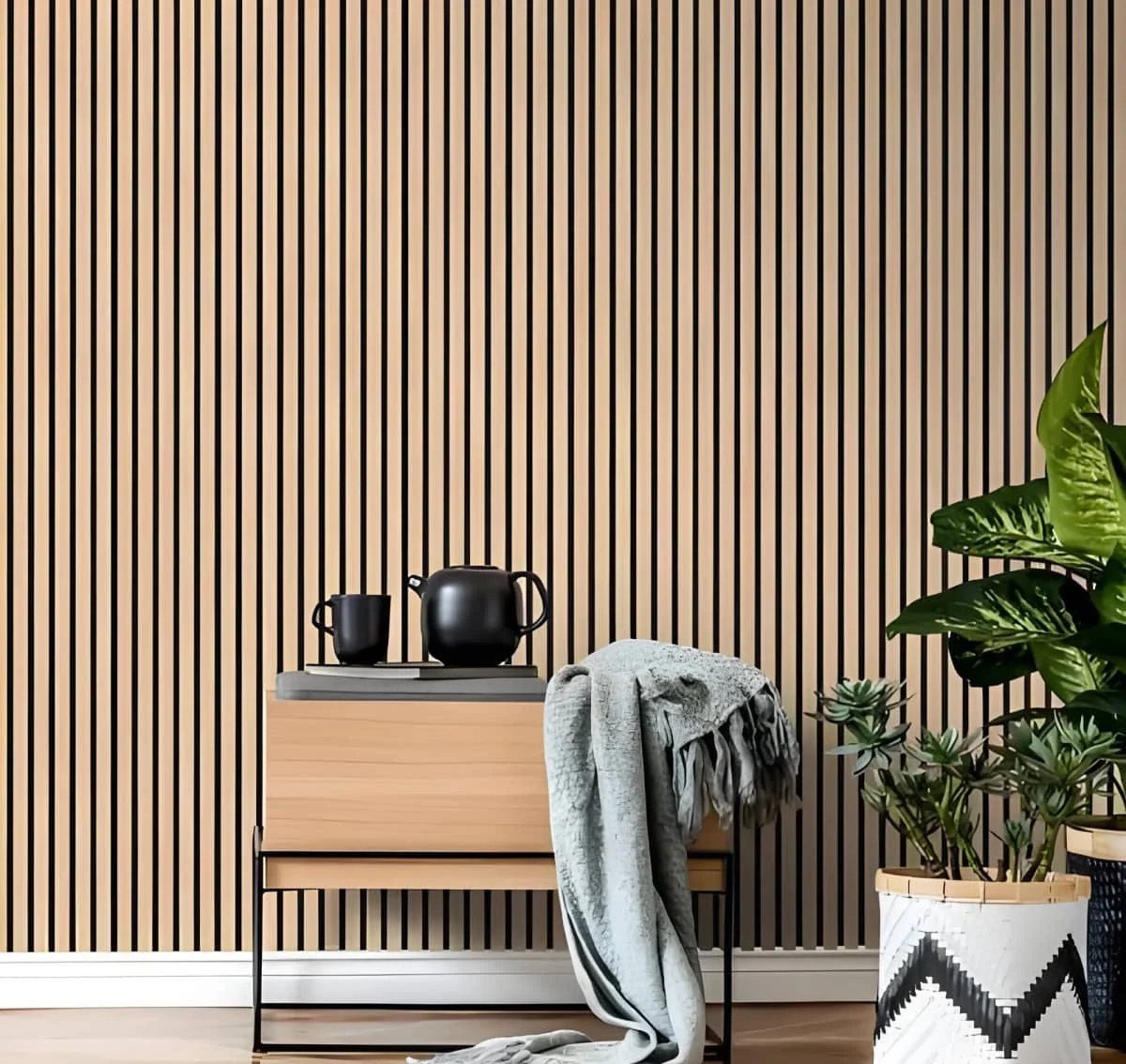
What Is Akupanel? A Practical Guide to Modern Acoustic Wall Panels
If you’ve been researching ways to improve sound quality in offices, home studios, classrooms, or even living rooms, you’ve probably stumbled across the term akupanel. But what exactly is it—and why are architects, interior designers, and audio enthusiasts buzzing about it? In this no-jargon, real-world guide, we’ll break down akupanel’s purpose, benefits, installation tips, and common misconceptions—so you can make a confident, informed decision.
First things first: akupanel isn’t a brand—it’s a category. It refers to modular, aesthetically refined acoustic wall panels designed to absorb mid-to-high frequency sound (think: human speech, ringing phones, keyboard clatter, or echo in open-plan spaces). Unlike bulky foam tiles or industrial-looking baffles, modern akupanel systems prioritize both performance and design integration. Many are made from sustainable, FSC-certified wood fiber, recycled PET felt, or bio-based composites—and they come in dozens of colors, textures, and custom-cut profiles.
What sets akupanel apart isn’t just how it looks—it’s how it works. Thanks to precisely engineered air gaps, perforation patterns, and layered absorption cores, a single akupanel unit can achieve an NRC (Noise Reduction Coefficient) of 0.7–0.95. That means it absorbs up to 95% of incident sound energy in key frequency ranges—without needing thick, space-hogging constructions. Bonus? Most are Class A fire-rated and low-VOC certified—making them safe for schools, healthcare facilities, and commercial builds.
Installation is refreshingly straightforward: many akupanel systems use a hidden clip-and-slot mounting system or low-profile adhesive backing. No framing, no drywall cutting, no contractor dependency—just clean, tool-light setup in under an hour for a standard 10 m² wall. And because they’re modular, repositioning or replacing a panel is as simple as unclipping and swapping.
Whether you’re calming a chaotic co-working lounge, taming reverb in your podcast corner, or elevating the acoustic comfort of a hotel lobby, akupanel delivers measurable results and visual cohesion. It’s acoustic engineering that doesn’t ask you to sacrifice style—or sanity.
Frequently Asked Questions (FAQs)
Q1: Is akupanel the same as regular acoustic foam?
No—akupanel is fundamentally different. Acoustic foam is typically open-cell polyurethane: lightweight, inexpensive, and effective for high frequencies, but flammable, visually limited, and acoustically inconsistent. Akupanel, by contrast, uses dense, fire-rated substrates with tuned absorption layers and architectural-grade finishes—designed for real-world, code-compliant spaces.
Q2: Can akupanel help with noise coming from outside or between rooms?
Not directly. Akupanel excels at absorbing reflected sound within a room—not blocking sound transmission (that’s the job of mass, decoupling, and sealing, like with STC-rated walls). So while it’ll dramatically reduce echo and improve speech clarity, it won’t stop loud music from the apartment next door. For that, you’d pair akupanel with proper sound isolation measures.
Q3: How much wall coverage do I need for noticeable improvement?
A good rule of thumb: start with 20–30% of your total wall surface area—prioritizing first reflection points (e.g., walls opposite speakers or seating areas) and large, bare surfaces. In a 4m × 5m room (20 m²), covering ~4–6 m² with akupanel often yields a perceptible, professional-grade improvement in intelligibility and comfort.
Q4: Are akupanel systems eco-friendly?
Most premium akupanel lines are. Leading manufacturers use rapidly renewable fibers (like wood wool or cork), >70% recycled PET felt, water-based adhesives, and recyclable aluminum or steel mounting hardware. Look for EPD (Environmental Product Declarations), Declare Labels, or Cradle to Cradle certification to verify sustainability claims—not just marketing slogans.
Q5: Can I install akupanel on ceilings or curved walls?
Absolutely—many systems offer ceiling suspension kits, flexible felt-based variants for gentle curves, and custom CNC-cut options for complex geometries. Just confirm compatibility with your chosen supplier early; some profiles are wall-specific, while others (like slat-core or bent-plywood akupanel) are engineered for multi-planar use.
{1, akupanel} {2, acoustic panels} {3, sound absorption} {4, interior acoustics} {5, architectural acoustics}
本文由人工智能技术生成,基于公开技术资料和厂商官方信息整合撰写,以确保信息的时效性与客观性。我们建议您将所有信息作为决策参考,并最终以各云厂商官方页面的最新公告为准。