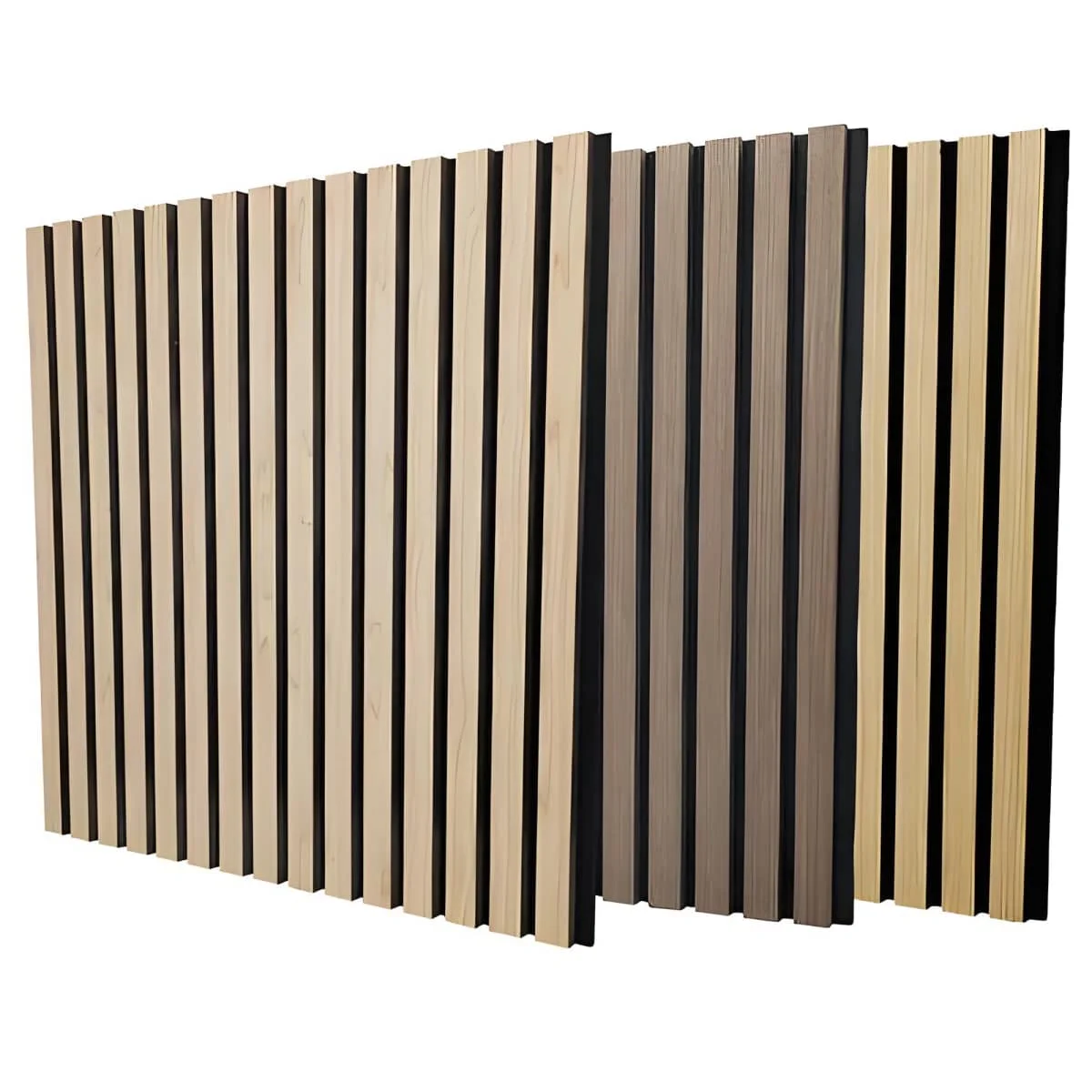
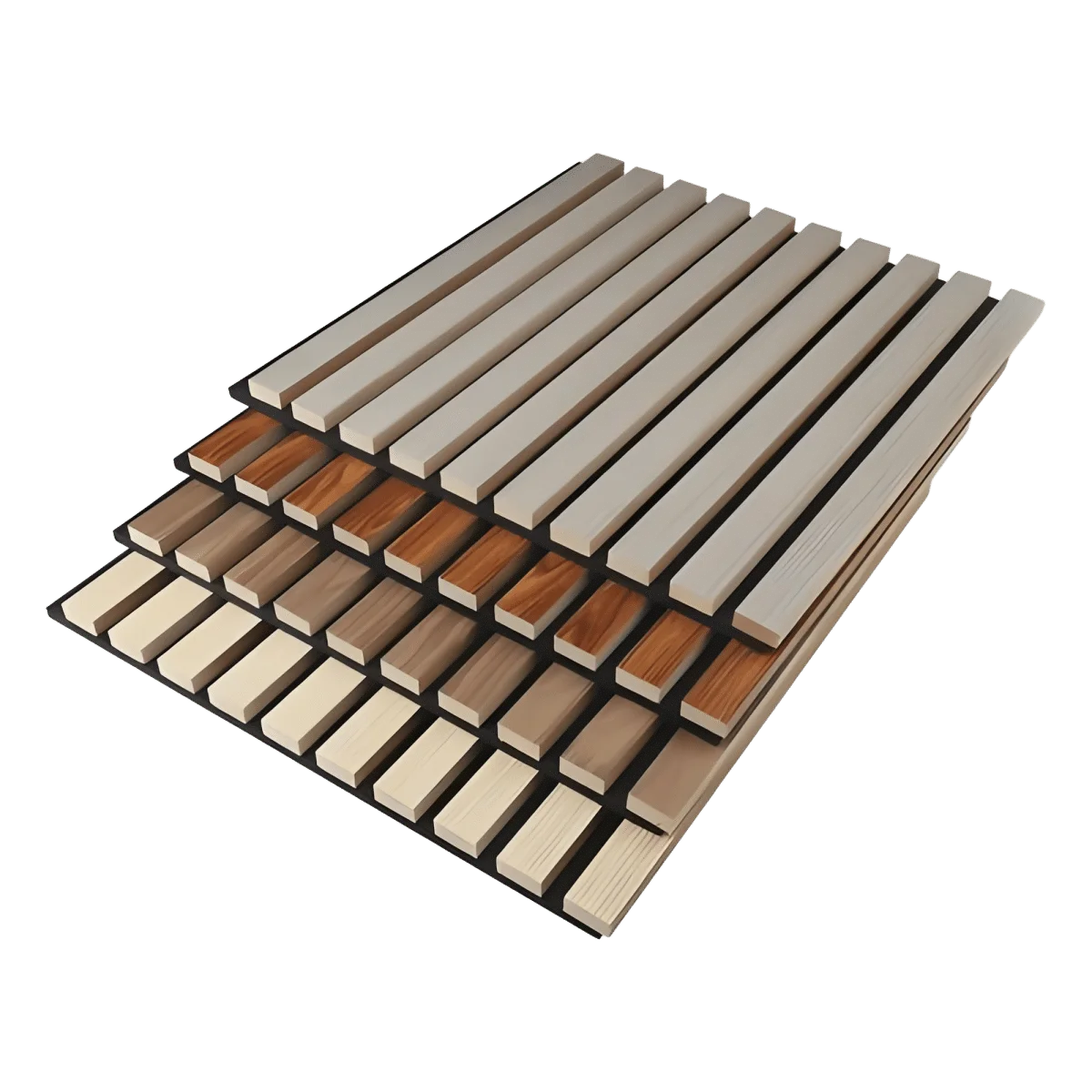
What Is Akupanel? A Practical Guide to Modern Acoustic Wall Panels
If you’ve ever walked into a lively café, a crisp home office, or a sleek podcast studio and noticed how quiet it felt—despite people talking, keyboards clacking, or music playing—you’ve likely encountered acoustic panels in action. And if you’ve recently searched for “akupanel”, you’re probably diving into the world of high-performance, design-forward sound absorption. Let’s break it down—no jargon overload, just clear, actionable insights.
Akupanel isn’t a generic term—it’s a trademarked product line by Ecophon, a global leader in acoustic solutions (part of the Saint-Gobain group). These panels are engineered to tackle reverberation and echo in everyday spaces—offices, schools, restaurants, clinics, and even creative home studios. Unlike basic foam tiles or DIY fabric-wrapped boards, Akupanel combines certified acoustic performance (tested to ISO 354 and EN ISO 11654 standards) with architectural-grade aesthetics, sustainability (many variants are Cradle to Cradle Certified™ Silver), and easy, tool-free installation.
What sets Akupanel apart? Think of it as the “Swiss Army knife” of wall-mounted acoustics: modular, customizable (in colors, wood veneers, and perforated metal finishes), and designed to integrate seamlessly—not just hide in the background. Whether you’re calming down a noisy open-plan office or fine-tuning the vocal clarity in your recording nook, Akupanel delivers measurable, real-world improvement—often cutting reverberation time (RT60) by 30–50% with just 20–30% wall coverage.
And yes—it’s not just for commercial builds. With growing demand for hybrid workspaces and wellness-focused interiors, homeowners are choosing Akupanel for living rooms, home gyms, and even nurseries. Why? Because good acoustics aren’t just about “less noise”—they’re about reducing cognitive load, improving speech intelligibility, and supporting mental focus. (Science backs this up: studies from the World Green Building Council link optimized acoustics to up to 12% gains in productivity and 25% lower stress markers.)
So if you’re evaluating acoustic solutions and keep landing on “akupanel”, you’re not chasing a trend—you’re considering a rigorously tested, scalable, and quietly sophisticated answer to a very human problem: how we experience sound in the spaces we live and work in.
Frequently Asked Questions (FAQs)
Q1: Is Akupanel the same as regular acoustic foam?
No—absolutely not. Akupanel is a high-density, mineral wool–based panel (typically with a wood fiber or glass wool core), wrapped in durable, fire-rated fabric or finished with real wood veneer or metal. Acoustic foam is lightweight, open-cell polyurethane—great for basic high-frequency absorption in hobbyist studios, but not rated for fire safety, durability, or low/mid-frequency control like Akupanel.
Q2: Can I install Akupanel myself—or do I need a contractor?
Many Akupanel systems (like the Akupanel Click or Akupanel Slim) are designed for DIY-friendly, tool-free mounting using concealed rail systems or adhesive backing. That said, for large-scale or ceiling-mounted installations—or if fire-code compliance is required (e.g., in commercial buildings)—working with a certified installer is strongly recommended. Ecophon provides detailed installation guides and even AR-assisted setup videos.
Q3: Does Akupanel help with soundproofing (blocking noise from entering or leaving a room)?
Not primarily. Akupanel is an absorptive solution—it reduces echo and reverberation within a room. It does not significantly block airborne sound transmission (like voices from the next room). For true soundproofing, you’d pair Akupanel with mass-loaded barriers, decoupled walls, or acoustic seals. Think of it this way: Akupanel makes your room sound better—not quieter to neighbors.
Q4: How eco-friendly is Akupanel?
Very. Most Akupanel variants contain ≥60% recycled content (e.g., post-consumer glass), are fully recyclable at end-of-life, and carry Environmental Product Declarations (EPDs). The wood veneer options use FSC®-certified timber, and the entire range is low-VOC and free from added formaldehyde. Bonus: their production emits ~40% less CO₂ than standard acoustic panels.
Q5: Can Akupanel be used in humid or high-traffic areas—like bathrooms or schools?
Yes—with caveats. Standard Akupanel is rated for normal indoor environments (RH ≤ 70%). For high-humidity zones (e.g., poolside lounges or wellness centers), Ecophon offers moisture-resistant versions (e.g., Akupanel Moisture) with hydrophobic cores and sealed edges. In high-traffic public areas, impact-resistant finishes (like HPL-laminated or metal-faced panels) are available and tested to EN 438 standards.
{1, akupanel} {2, acoustic panels} {3, office acoustics} {4, sound absorption} {5, Ecophon}
本文由人工智能技术生成,基于公开技术资料和厂商官方信息整合撰写,以确保信息的时效性与客观性。我们建议您将所有信息作为决策参考,并最终以各云厂商官方页面的最新公告为准。