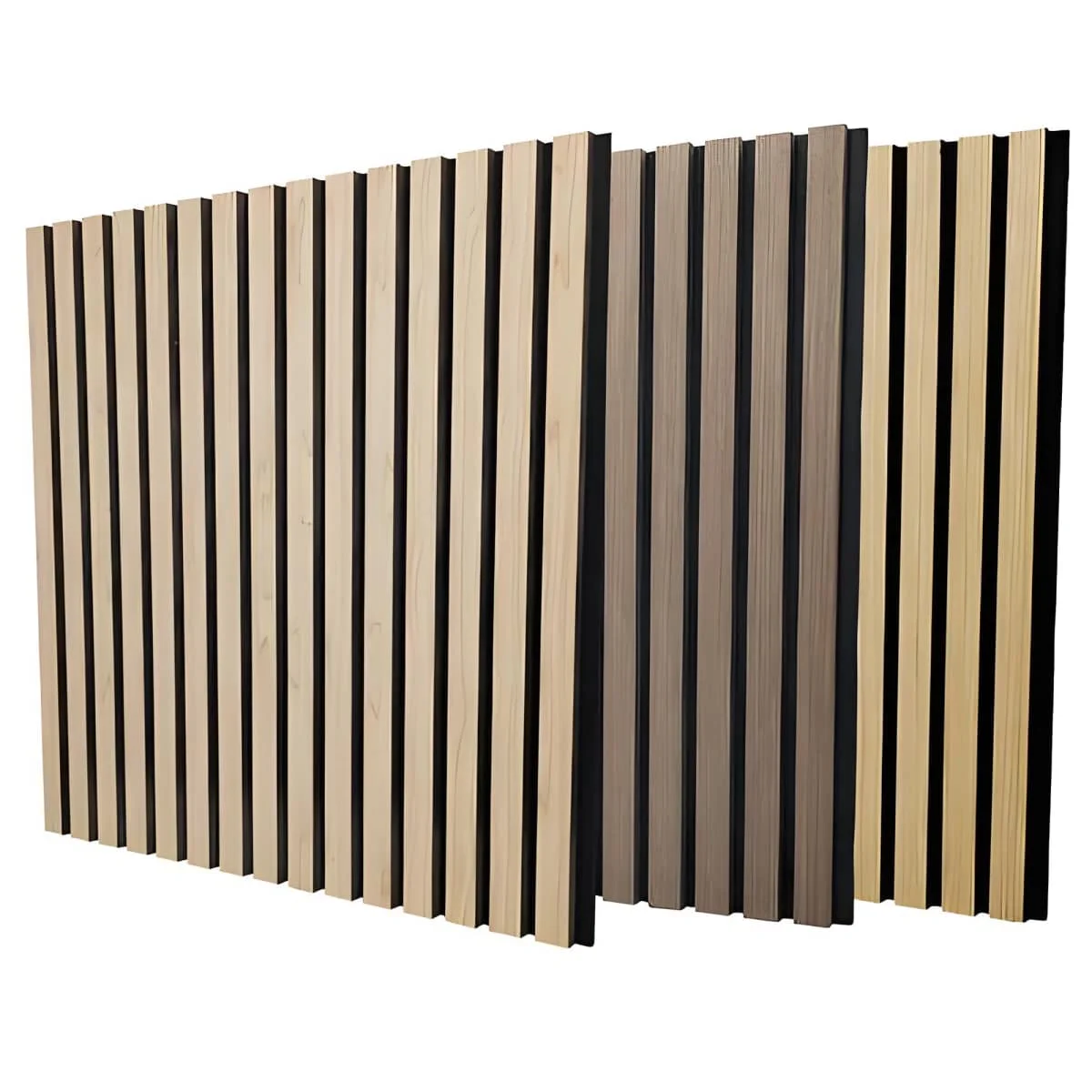
What Is Akupanel? A Practical Guide to Acoustic Wall Panels That Actually Work
If you’ve ever walked into a modern office, boutique hotel, or even a home studio and noticed sleek, textured wall panels that somehow make the space feel quieter and more refined—you’ve probably seen akupanel in action. But what exactly is akupanel? Is it just another buzzword in interior design, or does it deliver real acoustic performance? Let’s cut through the noise (pun intended) and explore what makes akupanel a smart, science-backed choice for sound control—without the jargon overload.
First things first: akupanel isn’t a generic term—it’s a trademarked product line developed by Akupanel®, a European brand specializing in high-performance, eco-conscious acoustic solutions. Their panels combine natural materials (like wood wool, recycled cotton, or cork) with precise acoustic engineering to absorb mid-to-high frequency sound—exactly where human speech and everyday office or living noise lives.
Unlike foam tiles or cheap fabric-wrapped boards, akupanel panels are designed for both function and aesthetics. They come in modular sizes, customizable finishes (think warm oak veneers, matte mineral coatings, or even custom-printed surfaces), and are Class A fire-rated and VOC-free—making them suitable for schools, healthcare facilities, and LEED-certified builds.
Real-world impact? Think fewer echoey Zoom calls, reduced speech distraction in open-plan offices, and calmer dining areas in restaurants. One university library in Utrecht reported a 40% drop in perceived noise complaints after installing akupanel on ceiling-perimeter walls—and they kept their Scandinavian design integrity intact.
And yes—it’s installable by contractors or savvy DIYers. Most panels use a simple click-and-lock or screw-and-rail system, with no special tools required. No glue, no mess, no guesswork.
FAQ: Your Top Questions About Akupanel—Answered
- Is akupanel only for commercial spaces?
Not at all! While it’s widely used in offices and schools, homeowners love it for home theaters, podcast studios, and even noisy home offices. Its slim profile (as thin as 25 mm) and elegant finishes blend seamlessly into residential interiors. - How does akupanel compare to standard acoustic foam?
Big difference. Acoustic foam mainly tackles high frequencies and degrades over time. Akupanel uses dense, breathable natural composites that absorb a broader spectrum—including the critical 500–2000 Hz range where speech intelligibility lives. Plus, it’s non-toxic, durable, and doesn’t crumble or discolor. - Can I paint or customize the surface?
Yes—but with caveats. Most akupanel variants accept water-based acrylic paint without compromising acoustic performance (test first!). For full customization, their design team offers digital printing, laser engraving, and bespoke sizing—ideal for branding or art-integrated acoustics. - Does akupanel help with soundproofing (blocking noise from adjacent rooms)?
Important distinction: akupanel is primarily for sound absorption—reducing echo and reverberation within a room. It doesn’t significantly block airborne sound transmission (that’s “soundproofing”). For true isolation, pair it with mass-loaded vinyl, decoupled walls, or insulation—akupanel handles the rest. - Is akupanel sustainable?
Absolutely. Panels are made with ≥75% renewable or recycled content (e.g., wood wool from FSC-certified timber, post-industrial cotton fibers), manufactured using low-energy processes, and are fully recyclable at end-of-life. Their carbon footprint is third-party verified—and often lower than conventional mineral fiber alternatives.
Bottom line? Akupanel isn’t just another acoustic panel—it’s a thoughtful convergence of material science, environmental responsibility, and human-centered design. Whether you’re solving a specific noise issue or elevating a space’s sensory experience, it’s one of the few solutions that works as beautifully as it looks.
Curious how many panels you’d need for your space? Their free online Acoustic Calculator gives instant, room-specific recommendations—no acoustician required.
{1, akupanel} {2, acoustic panels} {3, sound absorption} {4, interior acoustics} {5, sustainable design}
本文由人工智能技术生成,基于公开技术资料和厂商官方信息整合撰写,以确保信息的时效性与客观性。我们建议您将所有信息作为决策参考,并最终以各云厂商官方页面的最新公告为准。