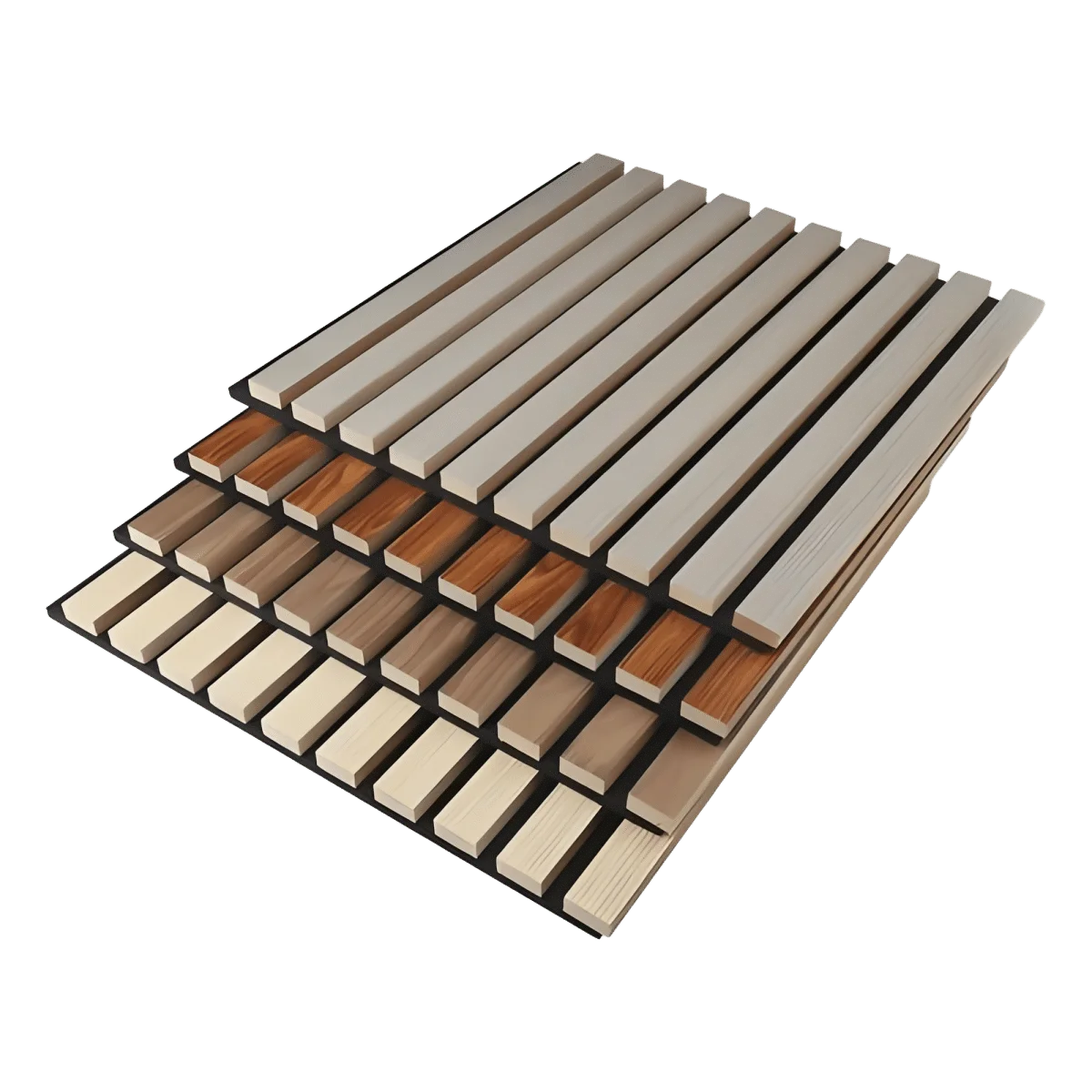
What Is Akupanel? A Practical Guide to Acoustic Wall Panels for Modern Spaces
If you’ve ever walked into a café, home office, or open-plan studio and instantly noticed how quiet and comfortable it felt—even with people chatting or music playing—you’ve likely experienced the subtle magic of acoustic panels. And if you’ve recently searched for “akupanel,” you’re probably on the right track. Let’s cut through the jargon and talk about what akupanel really is—not a brand, not a proprietary tech, but a widely used term (especially in European and Scandinavian markets) referring to high-performance, modular acoustic wall panels designed for both function and aesthetics.
Akupanel is essentially a portmanteau of “acoustic” + “panel”—a straightforward, intuitive label that’s gained traction in DIY communities, interior designers’ spec sheets, and sustainable building forums. Think of it as the Swiss Army knife of sound control: slim, lightweight, easy to install, and available in natural materials like wood wool, felt, cork, or recycled PET. Unlike bulky foam tiles or industrial baffles, akupanel-style products prioritize human-centered design—meaning they absorb mid-to-high frequency noise (like speech and keyboard clatter) without making a room feel “dead” or sterile.
Why does this matter? Because poor acoustics aren’t just annoying—they impact focus, reduce speech intelligibility, raise stress levels, and even lower productivity. A 2023 study published in Building and Environment found that offices with optimized acoustic treatment saw a 17% average increase in self-reported concentration—and that’s where akupanel shines. It’s not about silencing a space; it’s about tuning it.
Whether you’re retrofitting a noisy home studio, calming a vibrant classroom, or elevating the acoustic comfort of a boutique hotel lobby, akupanel solutions offer flexibility you won’t get from one-size-fits-all alternatives. Many come with FSC-certified wood frames, Class A fire ratings (ASTM E84), and NRC ratings between 0.55–0.95—making them suitable for both residential and commercial use, including LEED- and BREEAM-certified projects.
And yes—they look great. Forget beige rectangles. Today’s akupanel options feature laser-cut patterns, custom finishes, integrated LED lighting, and even plant-integrated modules. Acoustics no longer hide in the background. With akupanel, they become part of the design story.
FAQs: Your Akupanel Questions—Answered
1. Is “akupanel” a brand name or a generic term?
No—it’s not a trademarked brand. “Akupanel” is a descriptive, commonly used term (especially in Germany, Sweden, and the Netherlands) for modular acoustic wall panels. You’ll find it in product catalogs, Google Shopping results, and contractor quotes—but it’s not owned by a single company. Always check the manufacturer, material specs, and acoustic certifications before purchasing.
2. How effective are akupanel-style panels for reducing echo in a home office?
Very effective—especially for speech-range frequencies (500–4000 Hz). Installing akupanel panels on first-reflection points (walls beside and behind your monitor, and the wall opposite your desk) can reduce reverberation time by 30–50%, making voice calls clearer and reducing listener fatigue. For best results, aim to cover 15–25% of your wall surface area with NRC 0.7+ panels.
3. Can I install akupanel myself—or do I need a contractor?
Most akupanel systems are DIY-friendly. Many use Z-clips, adhesive backings, or simple screw-and-plug mounting—no special tools required. That said, if you’re mounting on concrete, tile, or insulated drywall—or planning a large-scale commercial installation—we recommend consulting an acoustic specialist or certified installer to ensure optimal placement and fire compliance.
4. Are akupanel products eco-friendly?
Many are—and increasingly so. Leading manufacturers use rapidly renewable materials (e.g., wood wool bonded with mineral binder), recycled content (up to 100% post-consumer PET felt), and low-VOC adhesives. Look for EPDs (Environmental Product Declarations), Declare Labels, or Cradle to Cradle certifications. Bonus: natural-fiber akupanels often biodegrade safely at end-of-life, unlike synthetic foams.
5. Do akupanel panels help with soundproofing (blocking noise from next door)?
Not significantly. Akupanel is designed for sound absorption, not sound isolation. It tames reverb and improves clarity within a room—but won’t stop airborne noise (like voices or TV sounds) from traveling through walls or floors. For true soundproofing, you’ll need mass-loaded vinyl, resilient channels, or decoupled drywall. Think of akupanel as the “inside fix”; soundproofing is the “barrier fix.” They work best together.
Whether you’re an architect specifying for a new build, a remote worker craving calm, or a school administrator tackling noisy hallways—akupanel is more than a buzzword. It’s a practical, beautiful, and increasingly intelligent response to how we live, work, and listen in shared spaces. And the best part? You don’t need an acoustic degree to get started. Just a little measurement, a clear goal—and the right panel.
{1, akupanel}{2, acoustic panels}{3, sound absorption}{4, interior acoustics}{5, sustainable design}
本文由人工智能技术生成,基于公开技术资料和厂商官方信息整合撰写,以确保信息的时效性与客观性。我们建议您将所有信息作为决策参考,并最终以各云厂商官方页面的最新公告为准。