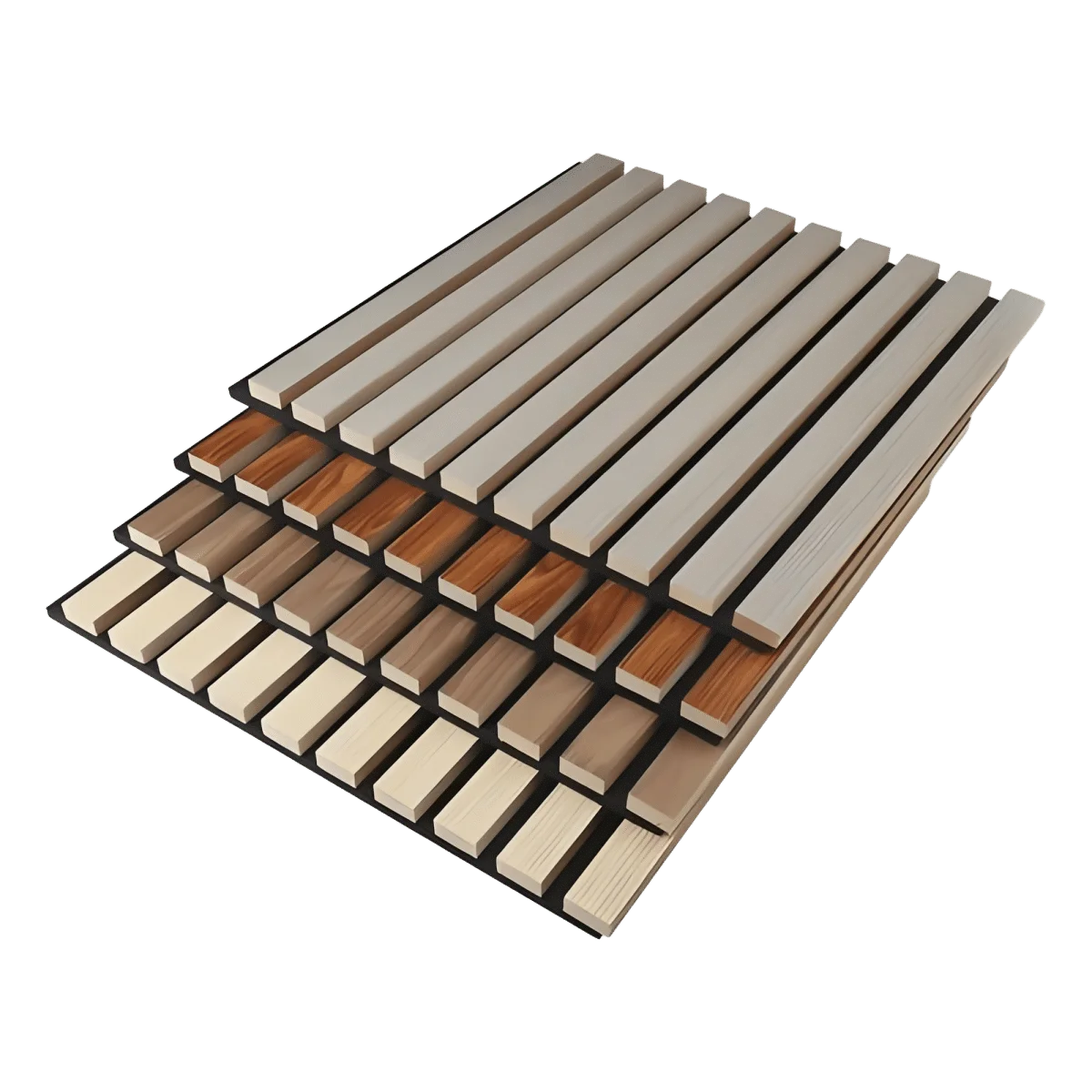
Akupanel: The Modern Acoustic Solution for Stylish Interiors
If you’ve been exploring ways to improve sound quality in offices, studios, or even your home, you might have come across the term akupanel. But what exactly is it, and why are architects, interior designers, and audio professionals buzzing about it? In this post, we’ll dive into everything you need to know about akupanel — from its core functionality to real-world applications — and explain why it’s quickly becoming a go-to solution for modern acoustic challenges.
Understanding Akupanel: More Than Just a Sound Panel
An akupanel is a high-performance acoustic panel designed to absorb excess sound, reduce echo, and improve overall auditory clarity in any enclosed space. Unlike traditional foam panels or basic fabric-wrapped boards, akupanel stands out due to its innovative design, sustainable materials, and aesthetic versatility.
These panels are typically made from eco-friendly, recyclable materials like PET felt or wood fiber, which not only offer excellent sound absorption but also align with green building standards. What makes akupanel even more appealing is its sleek, modern design — available in various colors, shapes, and finishes — allowing it to blend seamlessly into both minimalist and bold interior themes.
Where Are Akupanels Commonly Used?
The applications of akupanel are as diverse as the spaces they enhance. Here are some of the most popular use cases:
- Office Spaces: Open-plan offices often suffer from noise distractions. Akupanels mounted on walls or ceilings help reduce ambient noise, boosting focus and productivity.
- Recording Studios & Home Theaters: For audiophiles and professionals, precise sound control is non-negotiable. Akupanels help eliminate reverb and standing waves, ensuring clean audio output.
- Educational Institutions: Classrooms and lecture halls benefit from improved speech intelligibility, helping students hear clearly without straining.
- Hospitality: Hotels, restaurants, and cafes use akupanels not just for noise control, but also as stylish design elements.
Why Choose Akupanel Over Traditional Acoustic Solutions?
Let’s face it — not all acoustic panels are created equal. Here’s what sets akupanel apart:
- Superior Sound Absorption: Engineered with advanced acoustic physics, akupanels offer high NRC (Noise Reduction Coefficient) ratings, often exceeding 0.8 — meaning they absorb over 80% of sound energy.
- Design Flexibility: Available in geometric patterns, custom colors, and even branded prints, they double as art installations.
- Eco-Conscious: Many akupanels are made from up to 60% recycled materials, making them a sustainable choice for environmentally aware projects.
- Easy Installation: Whether you’re using adhesive, rails, or suspended mounts, akupanels are designed for hassle-free setup and reconfiguration.
Installation Tips for Maximum Impact
To get the most out of your akupanels, placement is key. Here are a few pro tips:
- Install panels at ear level in conversation areas to reduce direct sound reflection.
- Use ceiling-mounted akupanels in large, open rooms to control reverberation.
- Space panels evenly across walls to avoid acoustic “dead zones” or uneven sound absorption.
- Combine different panel depths or shapes to target a broader frequency range.
Frequently Asked Questions (FAQs)
1. What does akupanel do?
An akupanel absorbs sound waves to reduce echo, control reverberation, and improve acoustic comfort in indoor environments. It’s commonly used in offices, studios, and public spaces to enhance speech clarity and reduce noise pollution.
2. Are akupanels easy to install?
Yes! Most akupanels are designed for simple installation using clips, adhesive, or suspension systems. Many brands offer DIY-friendly kits, making it easy for both professionals and homeowners to set them up.
3. Can I customize the look of akupanels?
Absolutely. One of the biggest advantages of akupanel is its design flexibility. You can choose from various colors, patterns, textures, and even request custom prints to match your brand or interior theme.
4. Do akupanels work for low-frequency sounds?
While most standard akupanels excel at absorbing mid to high frequencies, low-frequency absorption may require thicker panels or bass traps. Some advanced akupanel models are specifically engineered to target lower frequencies as well.
5. Are akupanels environmentally friendly?
Yes, many akupanels are made from recycled or sustainable materials like PET felt (from recycled plastic bottles) or natural wood fibers. They’re often free from harmful VOCs and contribute to green building certifications like LEED or BREEAM.
Final Thoughts
If you’re serious about creating a space that sounds as good as it looks, akupanel is a smart investment. It combines science, sustainability, and style into one powerful acoustic solution. Whether you’re redesigning a coworking space or fine-tuning your podcast studio, akupanels offer a practical and visually appealing way to take control of your sound environment.
So next time you walk into a beautifully quiet café or a sharply clear conference room, take a look at the walls — there’s a good chance akupanel is working quietly behind the scenes.
本文由人工智能技术生成,基于公开技术资料和厂商官方信息整合撰写,以确保信息的时效性与客观性。我们建议您将所有信息作为决策参考,并最终以各云厂商官方页面的最新公告为准。