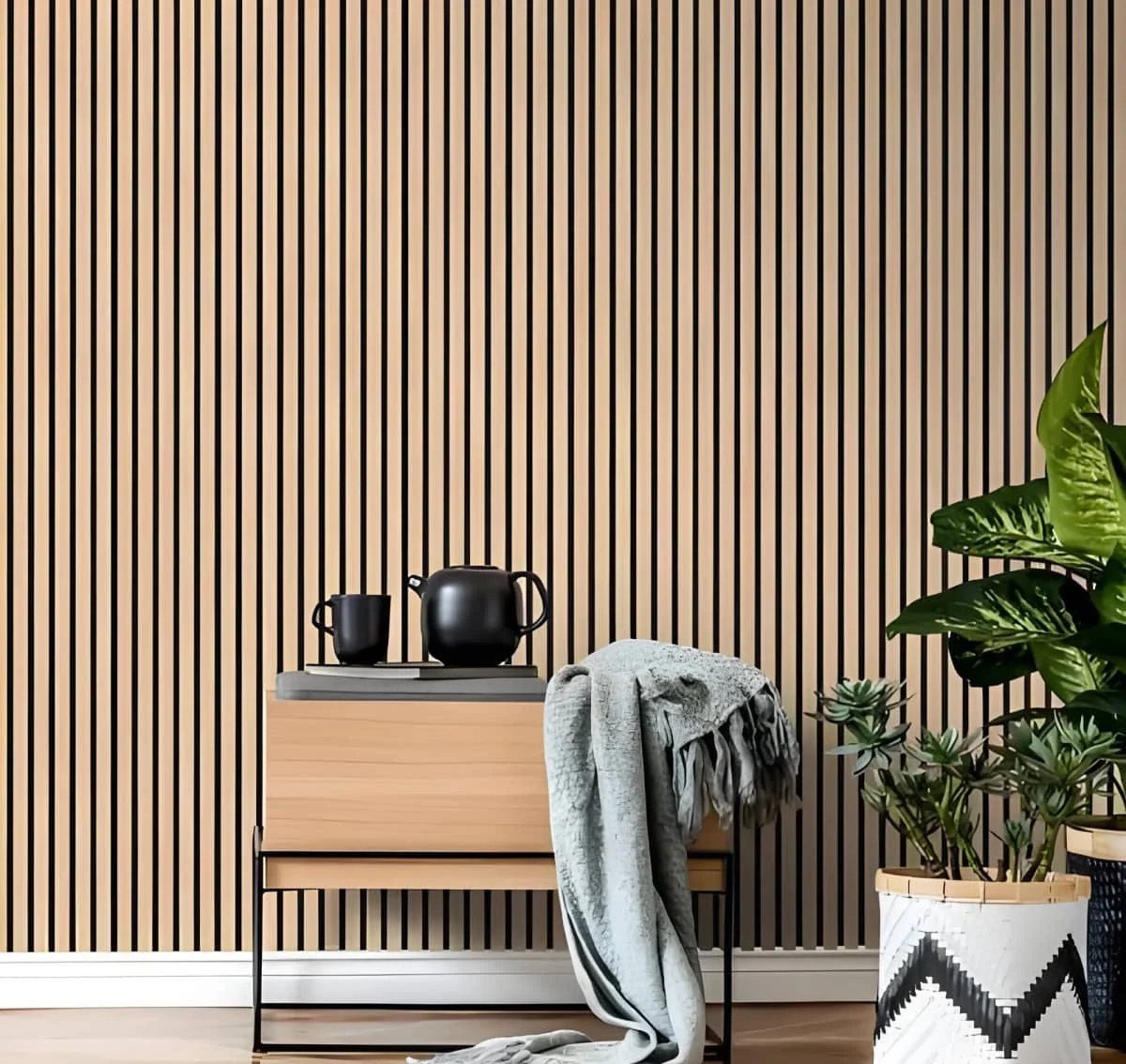
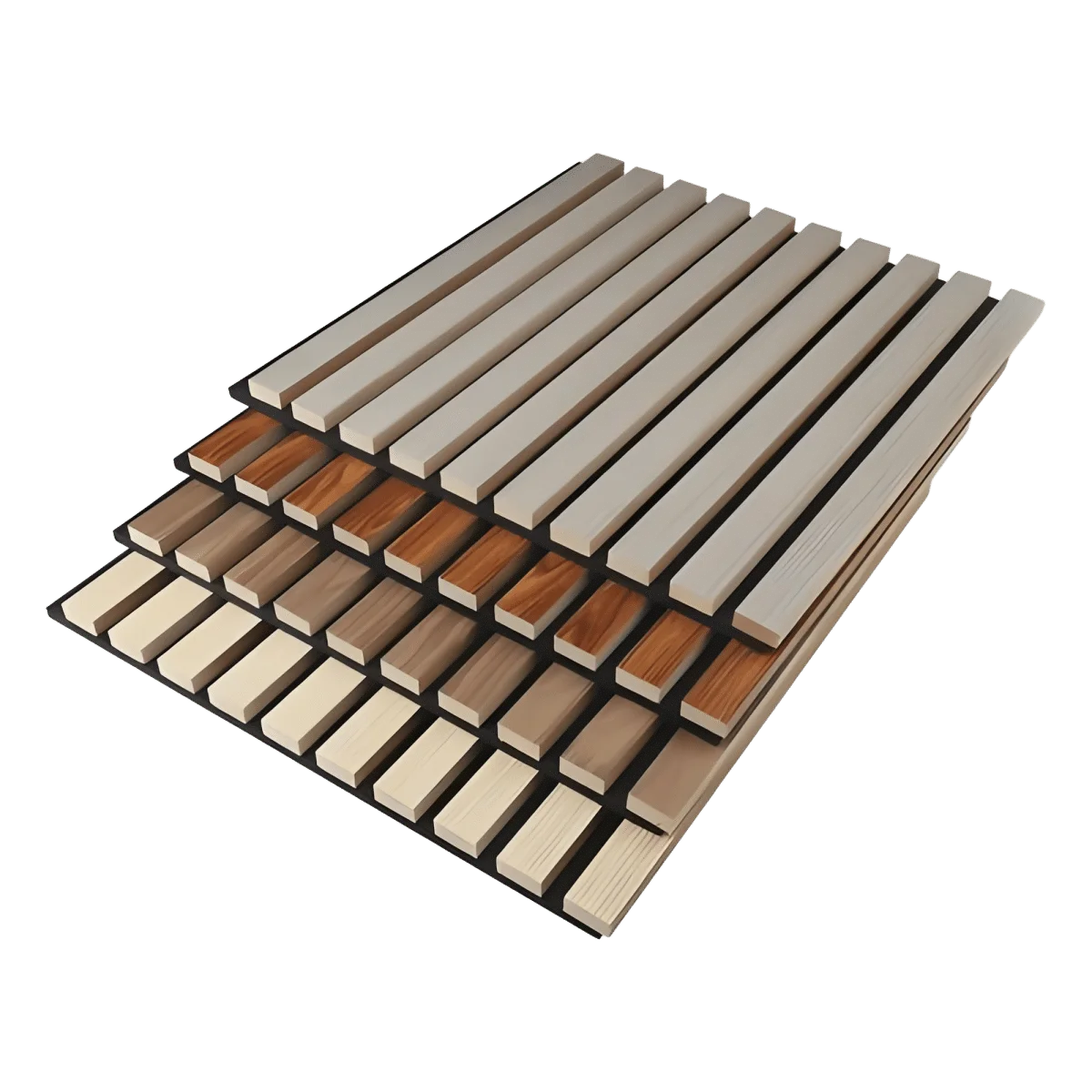
Akupanel Acoustic Systems: Smart Solutions for Noise Reduction
If you’ve been exploring ways to improve sound quality in offices, studios, or living spaces, you might’ve come across the term akupanel. But what exactly is it, and why are architects, interior designers, and audio enthusiasts buzzing about it? In this post, we’ll dive into the world of akupanel—what it is, how it works, and why it might be the perfect solution for your next acoustic project.
Understanding Akupanel: More Than Just a Pretty Panel
An akupanel is a high-performance acoustic panel designed to absorb sound waves and reduce echo, reverberation, and noise pollution in indoor environments. Unlike traditional foam panels or basic fabric-wrapped boards, akupanel combines aesthetic appeal with advanced sound engineering.
These panels are typically made from high-density acoustic materials like recycled PET fibers, wood wool, or mineral wool, and are often covered with breathable fabric that allows sound to pass through while maintaining a sleek, modern look. What sets akupanel apart is its balance of functionality and design—making it a favorite in both commercial and residential spaces.
Where Are Akupanels Used?
The versatility of akupanel makes it suitable for a wide range of applications:
- Offices and Co-Working Spaces: Reduce distractions and improve speech clarity.
- Recording Studios and Home Theaters: Achieve balanced acoustics for accurate sound reproduction.
- Classrooms and Lecture Halls: Enhance speech intelligibility for better learning.
- Restaurants and Cafés: Create a more comfortable dining atmosphere by cutting background noise.
- Living Rooms and Bedrooms: Add style while improving sound comfort at home.
Why Choose Akupanel Over Other Acoustic Solutions?
There are several reasons why akupanel stands out in the crowded acoustic market:
- Superior Sound Absorption: Akupanels are engineered to target mid to high-frequency sounds—exactly where human speech and music live.
- Eco-Friendly Materials: Many akupanels use recycled or sustainable materials, appealing to environmentally conscious buyers.
- Design Flexibility: Available in various colors, shapes, and sizes, they can be customized to match any interior.
- Easy Installation: Most panels can be mounted with simple hardware or adhesive, making DIY setups a breeze.
- Durable and Low Maintenance: Resistant to dust, moisture, and wear, they last longer than typical foam panels.
How to Install Akupanel for Best Results
For optimal performance, placement matters. Here’s a quick guide:
- Identify reflection points—places where sound bounces off walls (especially behind speakers or near desks).
- Mount panels at ear level (around 1.2–1.8 meters from the floor) for maximum effectiveness.
- Use a mix of wall and ceiling panels in large or high-ceilinged rooms.
- Don’t overdo it—covering 15–30% of wall space is usually enough for noticeable improvement.
Pro tip: Use online acoustic calculators or consult an expert to determine the right number and placement of akupanels for your space.
Frequently Asked Questions (FAQs)
1. What is the difference between akupanel and regular acoustic foam?
Akupanel is typically made from denser, more durable materials and offers better low-to-mid frequency absorption compared to standard foam. It’s also more visually appealing and often fire-rated, making it safer and more suitable for professional environments.
2. Can I paint or customize my akupanel?
Yes! Many akupanels come with customizable fabric covers. While painting the surface isn’t recommended (it may reduce sound absorption), you can often order panels in custom colors or even with printed designs.
3. Do akupanels work for bass frequencies?
Standard akupanels are most effective for mid and high frequencies. For bass control, consider pairing them with bass traps or using thicker, specially designed low-frequency panels.
4. Are akupanels easy to install on my own?
Absolutely. Most akupanels come with mounting hardware or can be installed using adhesive strips. No special tools or skills are required—perfect for DIYers.
5. Are akupanels eco-friendly?
Many brands use recycled materials like PET bottles in their core construction. Always check product specifications for sustainability certifications like FSC, Greenguard, or Cradle to Cradle.
Final Thoughts
If you’re serious about improving sound quality without sacrificing style, akupanel is a smart investment. Whether you’re designing a quiet home office, a vibrant restaurant, or a professional studio, these panels offer a blend of performance, durability, and design that’s hard to beat. With proper placement and a bit of planning, you can transform any noisy space into an acoustically balanced environment.
So next time you walk into a room that just “sounds right,” take a closer look—you might just spot an akupanel quietly doing its job.
本文由人工智能技术生成,基于公开技术资料和厂商官方信息整合撰写,以确保信息的时效性与客观性。我们建议您将所有信息作为决策参考,并最终以各云厂商官方页面的最新公告为准。