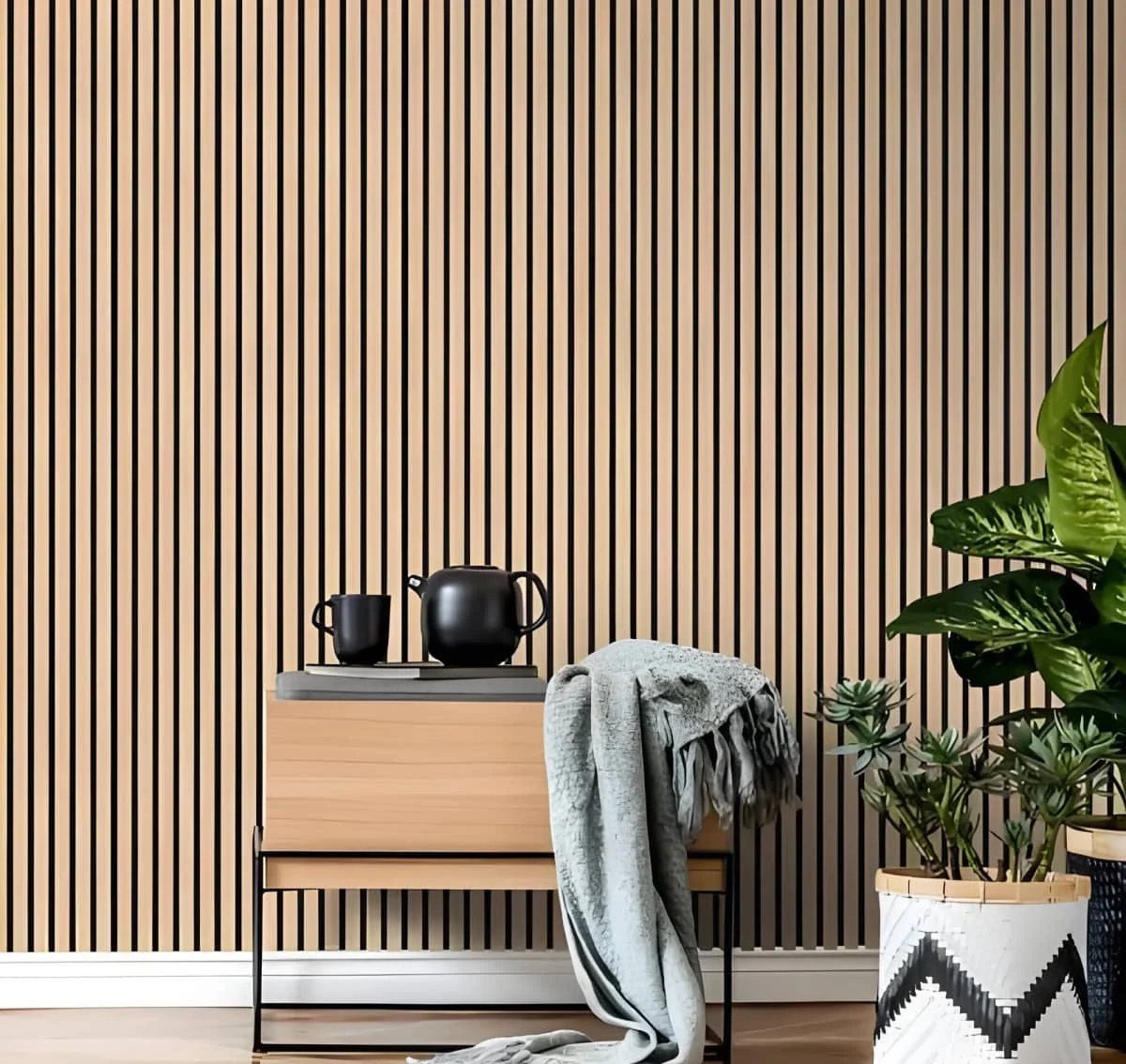
What Is Akupanel? A Practical Guide to Acoustic Wall Panels for Modern Spaces
If you’ve been scrolling through interior design feeds, renovating an office, or trying to quiet down your home studio, you’ve probably stumbled across the term akupanel. No, it’s not a typo — and yes, it’s more than just another buzzword. Akupanel is a smart, Scandinavian-designed acoustic panel system that’s been turning heads (and reducing echo) across homes, co-working spaces, cafes, and creative studios worldwide.
Developed by the Danish brand Ecophon (though often associated with independent distributors and custom fabricators), akupanel combines high-performance sound absorption with minimalist aesthetics. Think: sleek, modular wall panels made from sustainable wood wool or recycled felt, available in dozens of colors, textures, and mounting options — all engineered to tackle mid-to-high frequency noise without looking like “acoustic foam from a 2005 podcast booth.”
What sets akupanel apart isn’t just how well it works — it’s how effortlessly it integrates. No bulky frames. No industrial vibes. Just clean lines, natural materials, and measurable noise reduction (up to αw = 0.95 in some configurations). Whether you’re solving a reverberant living room, calming a busy open-plan office, or upgrading your Zoom background with quiet elegance — akupanel delivers both function and flair.
And here’s the best part: it’s surprisingly DIY-friendly. Most versions come with concealed mounting systems (like Z-clips or French cleats), so you can install them yourself — no contractor required. Just level, drill, and hang. Done in an afternoon. 🛠️
5 Common Questions About Akupanel — Answered
Q1: Is akupanel the same as regular acoustic foam?
No — and that’s a key distinction. Akupanel uses dense, porous, natural materials like wood wool (mineral-bonded cellulose) or high-density recycled polyester felt. Unlike open-cell acoustic foam (which mainly absorbs highs and degrades over time), akupanel targets a broader frequency range, is fire-rated (Class B-s1,d0 or better), and is built to last decades — not years.
Q2: Can I use akupanel in a rental apartment?
Absolutely — and many renters love it for that reason. Most akupanel systems use non-damaging, low-profile mounting (e.g., adhesive pads for lighter panels or removable Z-clips). When it’s time to move out? You can carefully unmount and take them with you — no patching or repainting needed.
Q3: How much sound does akupanel actually reduce?
It depends on coverage and configuration — but independently tested, a typical 1200 × 600 mm akupanel (wood wool core, 40 mm thick) achieves a weighted sound absorption coefficient (αw) of 0.85–0.95. In real-world terms? Covering just 20–30% of your wall surface can cut reverberation time (RT60) by 30–50%, making speech intelligible and music more balanced.
Q4: Are akupanel panels eco-friendly?
Yes — sustainability is baked in. Most akupanel variants use >60% recycled content (e.g., post-consumer PET felt) or rapidly renewable materials (like wood wool from FSC-certified forests). They’re also VOC-free, fully recyclable at end-of-life, and manufactured using low-energy processes — a win for both acoustics and conscience.
Q5: Can I customize the look — color, size, or shape?
100%. Akupanel isn’t one-size-fits-all. You can choose from over 40 fabric or melamine finishes, specify custom dimensions (up to 2400 × 1200 mm), add integrated LED lighting strips, or even laser-cut geometric patterns into the surface. Some suppliers even offer digital printing — so your favorite photo or brand pattern can double as sound control.
Bottom line? Akupanel bridges the gap between “I need this to work” and “I need this to look intentional.” It’s acoustic engineering dressed like interior design — and that’s why it’s quietly becoming the go-to solution for spaces where sound and style can’t afford to compromise.
{1, akupanel} {2, acoustic panels} {3, sound absorption} {4, interior acoustics} {5, sustainable design}
本文由人工智能技术生成,基于公开技术资料和厂商官方信息整合撰写,以确保信息的时效性与客观性。我们建议您将所有信息作为决策参考,并最终以各云厂商官方页面的最新公告为准。