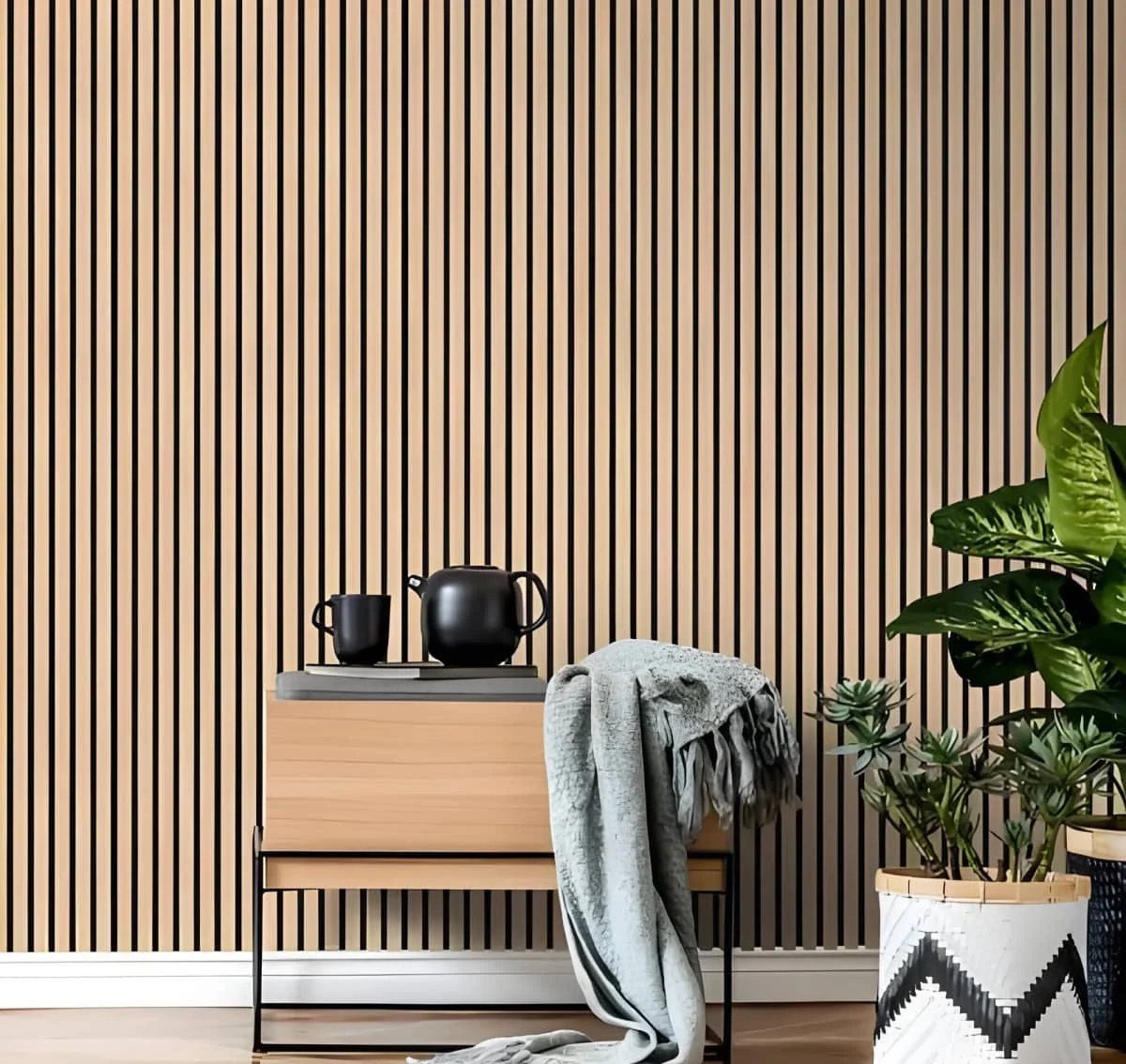
What Is Akupanel? A Practical Guide to Modern Acoustic Wall Panels
If you’ve ever walked into a café, home office, or open-plan studio and instantly noticed how quiet and comfortable it felt—even with people chatting nearby—you’ve probably experienced acoustic design in action. And more often than not, the unsung hero behind that calm? Akupanel.
No, it’s not a typo—it’s Akupanel: a premium, modular acoustic panel system designed for both performance and aesthetics. Born from Scandinavian design principles and engineered for real-world spaces, Akupanel blends natural materials (like wood wool, felt, and recycled textiles) with precision sound-absorbing technology. Unlike generic foam tiles or bulky baffles, Akupanel panels are architecturally refined—meant to be seen, not hidden.
Whether you’re a remote worker drowning in Zoom echo, a studio owner chasing studio-grade clarity, or a designer specifying finishes for a wellness center, Akupanel offers a smart, sustainable, and surprisingly stylish solution. Let’s break down why it’s gaining traction—and how it might solve your acoustic headaches.
Why Sound Absorption Matters (More Than You Think)
Reverberation isn’t just annoying—it’s fatiguing. Studies show excessive reverberation increases cognitive load, reduces speech intelligibility by up to 30%, and can even raise stress hormone levels over time. In hybrid workspaces, untreated rooms cause “voice doubling” on calls, muffled presentations, and that infamous “I’ll just type it instead” energy.
Akupanel tackles this head-on with high NRC (Noise Reduction Coefficient) ratings—typically between 0.75 and 0.95—depending on configuration. That means up to 95% of mid-to-high frequency sound energy (the range where human speech lives) gets absorbed on contact—not reflected, not trapped, but gently dissipated.
And because Akupanel uses breathable, porous, natural-core materials (not plastic-based composites), it avoids the “dead room” effect—keeping spaces acoustically balanced and breathable.
Real-World Use Cases That Shine
- Home Offices & Learning Spaces: Mount a 2×3 grid behind your desk and watch background keyboard clatter, HVAC hum, and neighbor noise drop noticeably—no need to retrofit walls.
- Restaurants & Cafés: Install vertically along feature walls or ceilings to soften chatter without sacrificing warmth or visual identity. Many operators report 20–30% fewer customer complaints about noise.
- Educational Hubs & Libraries: Use in reading nooks or collaborative zones where quiet focus and clear group discussion must coexist.
- Wellness Studios & Clinics: Choose FSC-certified wood wool or OEKO-TEX®-certified felt for non-toxic, hypoallergenic performance—ideal for sensitive environments.
Bonus: Akupanel is fully modular. Panels snap together with invisible connectors, mount flush or with subtle shadow gaps, and can be reconfigured or relocated—no drywall damage, no contractor needed.
5 Quick Questions—Answered
Q1: Is Akupanel only for walls?
Nope! While wall mounting is most common, Akupanel works beautifully on ceilings (especially in drop-ceiling retrofits), as freestanding room dividers, or even as acoustic headboards in quiet bedrooms or hotel suites.
Q2: How eco-friendly is it, really?
Very. Core materials are typically 95–100% natural (wood wool, mineral wool, or recycled PET felt), fully recyclable at end-of-life, and manufactured with low-VOC adhesives and water-based finishes. Many variants carry EPD (Environmental Product Declaration) documentation and contribute to LEED v4 credits.
Q3: Can I install it myself?
Absolutely—especially for smaller setups. The system uses a simple rail-and-lock mounting method. Most users install a 12-panel wall in under 90 minutes with basic tools (level, drill, stud finder). Larger commercial projects? Yes, certified installers are available globally—but DIY is genuinely viable.
Q4: Does it help with external noise (like traffic or neighbors)?
Not significantly. Akupanel excels at absorbing internal sound reflections—not blocking airborne sound transmission (that’s STC’s job). For external noise, pair it with mass-loaded vinyl, double-glazed windows, or sealed door sweeps. Think of it as “acoustic hygiene,” not a sound barrier.
Q5: Are there fire-rated options?
Yes—critical for commercial use. Most Akupanel configurations meet Class A / ASTM E84 (US) and Euroclass B-s1,d0 (EU) fire safety standards. Always verify the specific product datasheet for your region’s compliance requirements before specifying.
Final Thought: Acoustics Aren’t Just Technical—They’re Human
Great sound design doesn’t mean silence. It means clarity. Comfort. Confidence in your voice. Akupanel gets that. It’s not about eliminating sound—it’s about honoring how people actually live, work, and connect in shared spaces.
So if your space feels “off”—too echoey, too tense, too hard to concentrate—don’t reach for another rug or a louder speaker. Try listening differently. Start with Akupanel.
{1, akupanel} {2, acoustic panels} {3, sound absorption} {4, home office acoustics} {5, sustainable interior design}
本文由人工智能技术生成,基于公开技术资料和厂商官方信息整合撰写,以确保信息的时效性与客观性。我们建议您将所有信息作为决策参考,并最终以各云厂商官方页面的最新公告为准。