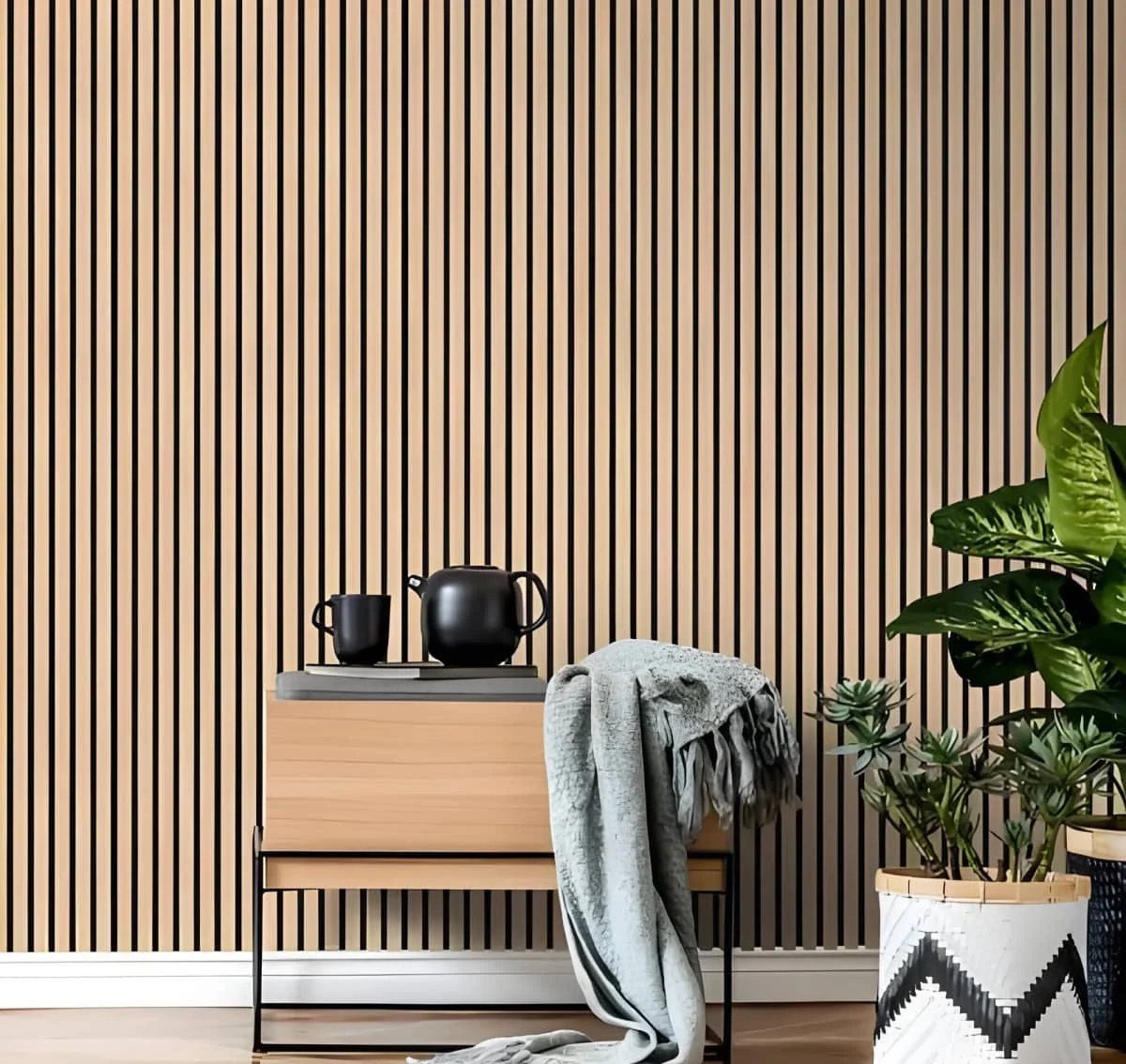
What Is Akupanel? A Practical Guide to Modern Acoustic Wall Panels
If you’ve ever walked into a lively café, a crisp home office, or a serene podcast studio and instantly noticed how quiet and focused the space felt—chances are, akupanel played a quiet but pivotal role behind the scenes. No, it’s not a sci-fi gadget or a brand-new vitamin—it’s a smart, design-forward solution for real-world sound problems.
Akupanel (often stylized as AkuPanel) refers to a line of high-performance, architecturally refined acoustic wall panels—typically made from sustainable wood wool, recycled PET felt, or mineral fiber cores, wrapped in fabric or natural veneer. Unlike bulky foam tiles or industrial-looking baffles, akupanel units blend acoustic function with aesthetic intention. They’re engineered not just to absorb mid-to-high frequency noise (think: chatter, keyboard clatter, video call echo), but to do so elegantly—so they enhance a room’s look, not interrupt it.
Whether you’re a remote worker battling Zoom reverb, a school renovating a noisy hallway, or a boutique studio aiming for studio-grade clarity, akupanel offers a scalable, install-friendly, and eco-conscious upgrade. And the best part? You don’t need to be an acoustics engineer to benefit from it—just a bit of curiosity and the right placement strategy.
Let’s break it down—no jargon overload, just real insights you can use today.
Why Akupanel Stands Out in a Crowded Market
Not all acoustic panels are created equal. Here’s what sets akupanel apart:
- Design-first engineering: Panels come in modular sizes (e.g., 60×60 cm or 120×60 cm), with customizable finishes—oak veneer, wool felt in 20+ colors, or acoustic fabric wraps. They’re meant to be seen, not hidden.
- Verified performance: Most akupanel variants achieve an NRC (Noise Reduction Coefficient) of 0.7–0.95—meaning they absorb up to 95% of incident sound energy in key frequencies. Independent lab reports (like those per ISO 354 or ASTM C423) back this up.
- Low-VOC & circular by design: Many versions use FSC-certified wood wool or ≥80% post-consumer recycled PET. Mounting systems are tool-free or require only basic hardware—no messy adhesives or permanent wall damage.
- Quick ROI in real life: Clients report measurable drops in reverberation time (RT60), fewer voice repetitions on calls, and even improved concentration scores in open-plan offices—often within 48 hours of installation.
Where (and Where Not) to Use Akupanel
✅ Great fits: Home offices, co-working lounges, classrooms, therapy rooms, restaurant dining areas, recording booth walls, and open-plan living spaces with hard surfaces (tile, concrete, glass).
⚠️ Less ideal (without supplemental treatment): Spaces dominated by low-frequency rumble (e.g., next to HVAC units or subwoofers)—akupanel excels in mid/high absorption but pairs best with bass traps for full-spectrum control.
💡 Pro tip: Start with the “first reflection points”—the wall areas where sound bounces between your speakers and listening position (or between meeting participants). That’s where akupanel delivers the highest perceptible impact.
5 Common Questions About Akupanel — Answered Honestly
- Q: Can I install akupanel myself—or do I need a contractor?
A: Most systems are DIY-friendly! Many use Z-clips, adhesive pads, or simple screw-and-sleeve mounts. Full instructions + video walkthroughs are usually included. Just grab a level, stud finder, and 90 minutes—and you’re done. - Q: Does akupanel help with soundproofing (blocking noise from entering or leaving a room)?
A: Not directly. Akupanel is for absorption—reducing echo and reverberation inside a space. For true soundproofing (e.g., stopping neighbor noise), you’d need mass, decoupling, and sealing—like resilient channels or acoustic drywall. Think of akupanel as “quieting the room,” not “locking it down.” - Q: How many panels do I actually need?
A: A good rule of thumb: cover 25–40% of your wall surface area in typical residential or small-office spaces. For example, a 4m × 5m room (20 m²) with 2.7m ceilings has ~54 m² of wall area—so 14–22 m² of akupanel coverage is often optimal. Use an online RT60 calculator or consult a free acoustic assessment (many akupanel suppliers offer one). - Q: Are akupanel products fire-rated?
A: Yes—most certified variants meet Class A (ASTM E84) or Euroclass B-s1,d0 fire safety standards. Always verify the specific product datasheet, especially for commercial or public installations where compliance is mandatory. - Q: Can I paint or re-cover akupanel myself?
A: Generally, no—and we don’t recommend it. The surface materials (e.g., PET felt or wood wool) are acoustically tuned; painting clogs pores and reduces absorption. But the good news? You can choose from dozens of pre-finished options—or work with the supplier on custom fabric wraps or veneers.
Bottom line: akupanel isn’t just another “acoustic product.” It’s a thoughtful bridge between how a space sounds and how it makes people feel. Calmer. Clearer. More intentional. And in a world where background noise is the default, that kind of quiet confidence is rare—and worth investing in.
{1, akupanel}{2, acoustic panels}{3, sound absorption}{4, home office acoustics}{5, interior design and acoustics}
本文由人工智能技术生成,基于公开技术资料和厂商官方信息整合撰写,以确保信息的时效性与客观性。我们建议您将所有信息作为决策参考,并最终以各云厂商官方页面的最新公告为准。