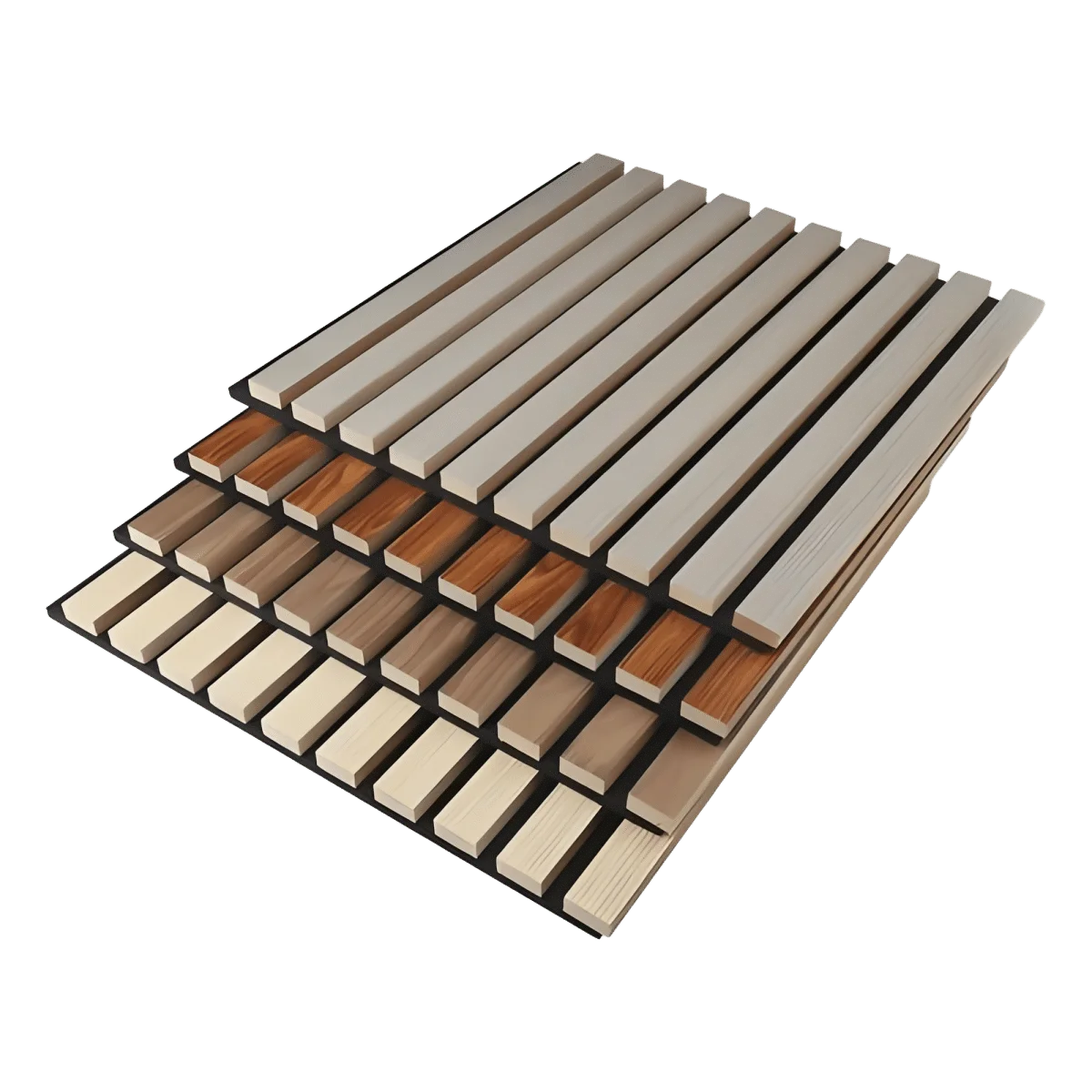
What Is Akupanel? A Practical Guide to Modern Acoustic Wall Panels
If you’ve ever walked into a café, home office, or open-plan studio and instantly noticed how quiet and comfortable it felt—chances are, Akupanel had a hand in that experience. But what exactly is Akupanel? It’s not just another buzzword in interior design or acoustics—it’s a smart, sustainable, and surprisingly stylish solution for real-world sound control. In this post, we’ll break down what makes Akupanel stand out, where it shines (and where it doesn’t), and how it compares to traditional acoustic treatments—all without drowning you in jargon.
Akupanel is a modular acoustic wall panel system designed and engineered in Europe, combining natural materials (like wood wool, recycled cotton, or cork) with high-performance acoustic cores. Unlike basic foam tiles or heavy mineral fiber boards, Akupanel panels are lightweight, easy to install, fire-rated (Class B-s1,d0 in Europe, ASTM E84 Class A in the US), and fully recyclable. They’re also available in a wide range of finishes—think warm oak veneers, textured linens, or even custom-printed surfaces—so they don’t just absorb sound, they enhance aesthetics.
Whether you’re a remote worker battling Zoom echo, an architect specifying finishes for a wellness center, or a café owner tired of customers complaining about noise, Akupanel offers a plug-and-play upgrade for acoustic comfort—without sacrificing design integrity.
Why Akupanel Is Gaining Traction in 2024
It’s not just about performance—it’s about alignment with modern values. Akupanel panels are typically made with >70% natural or recycled content, carry EPD (Environmental Product Declaration) documentation, and are manufactured using low-VOC adhesives and water-based finishes. That means better indoor air quality, lower embodied carbon, and compliance with green building standards like LEED and BREEAM.
Plus, installation is refreshingly simple: most panels mount directly to drywall using concealed Z-clips or low-profile screws—no framing, no messy glue, no specialized labor required. A single person can cover 10–15 m² per day. And because they’re modular, reconfiguration or replacement is a breeze—ideal for flexible workspaces or evolving retail environments.
Where Akupanel Works Best (and Where to Think Twice)
Great fits: Home offices, podcast studios, co-working lounges, hotel lobbies, libraries, therapy rooms, and open-plan classrooms—especially where speech clarity, low reverberation, and visual warmth matter.
Less ideal (without supplemental treatment): High-noise industrial settings (e.g., manufacturing floors), spaces requiring sound blocking (like between apartments—Akupanel absorbs, not isolates), or ultra-low-frequency environments (e.g., bass-heavy home theaters, where deeper insulation and mass are needed).
Pro tip: For best results, pair Akupanel with strategic placement—cover primary reflection points (walls beside and behind speakers or seating), aim for 25–40% wall coverage in mid-sized rooms (20–40 m²), and consider ceiling integration for balanced reverberation control.
5 Quick Questions About Akupanel — Answered
- Q: Can Akupanel be used in humid areas like bathrooms or kitchens?
A: Yes—but only specific variants. Standard wood wool panels aren’t moisture-resistant. Look for Akupanel’s “Hydro” or “Cork+” lines, which feature water-repellent treatments and are rated for relative humidity up to 80%. Always confirm with the manufacturer’s spec sheet before installing in wet-prone zones. - Q: How does Akupanel compare to acoustic foam or mineral wool panels?
A: Foam is lightweight and cheap but lacks durability, fire safety, and aesthetic versatility. Mineral wool excels in absorption (especially low-mid frequencies) but is heavy, harder to finish, and less eco-friendly. Akupanel sits in the sweet spot: Class A fire rating, natural materials, design flexibility, and consistent NRC values between 0.75–0.95 (depending on thickness and core). - Q: Is Akupanel suitable for DIY installation?
A: Absolutely—especially for wall-mounted applications. With basic tools (drill, level, stud finder), most users install panels in under an hour per 2–3 m². Ceiling mounting or curved wall applications benefit from professional input, but the system is designed for accessibility. - Q: Does Akupanel help with sound privacy between rooms?
A: Not directly. Akupanel is an absorptive (not insulative) product—it reduces echo and reverberation within a space but doesn’t block sound transmission through walls or floors. For privacy, combine it with proper wall insulation, resilient channels, or mass-loaded vinyl—Akupanel handles the “acoustic comfort” layer. - Q: Can I paint or customize the surface?
A: Yes—with caveats. Most fabric-wrapped or cork-faced panels accept water-based acrylic paints (test first!). Veneer panels shouldn’t be painted (they’re finished with protective, breathable coatings). For full customization, Akupanel offers digital printing on acoustic fabric substrates—ideal for branding or art integration without compromising performance.
Bottom line? Akupanel isn’t just another acoustic panel—it’s a thoughtful convergence of science, sustainability, and design sensibility. It’s proof that solving noise doesn’t mean compromising on beauty—or values. Whether you’re refreshing a single home studio or specifying for a 10,000 ft² wellness campus, Akupanel offers a scalable, responsible, and genuinely human-centered way to shape sound.
{1, Akupanel} {2, acoustic panels} {3, sound absorption} {4, sustainable interior design} {5, home office acoustics}
本文由人工智能技术生成,基于公开技术资料和厂商官方信息整合撰写,以确保信息的时效性与客观性。我们建议您将所有信息作为决策参考,并最终以各云厂商官方页面的最新公告为准。