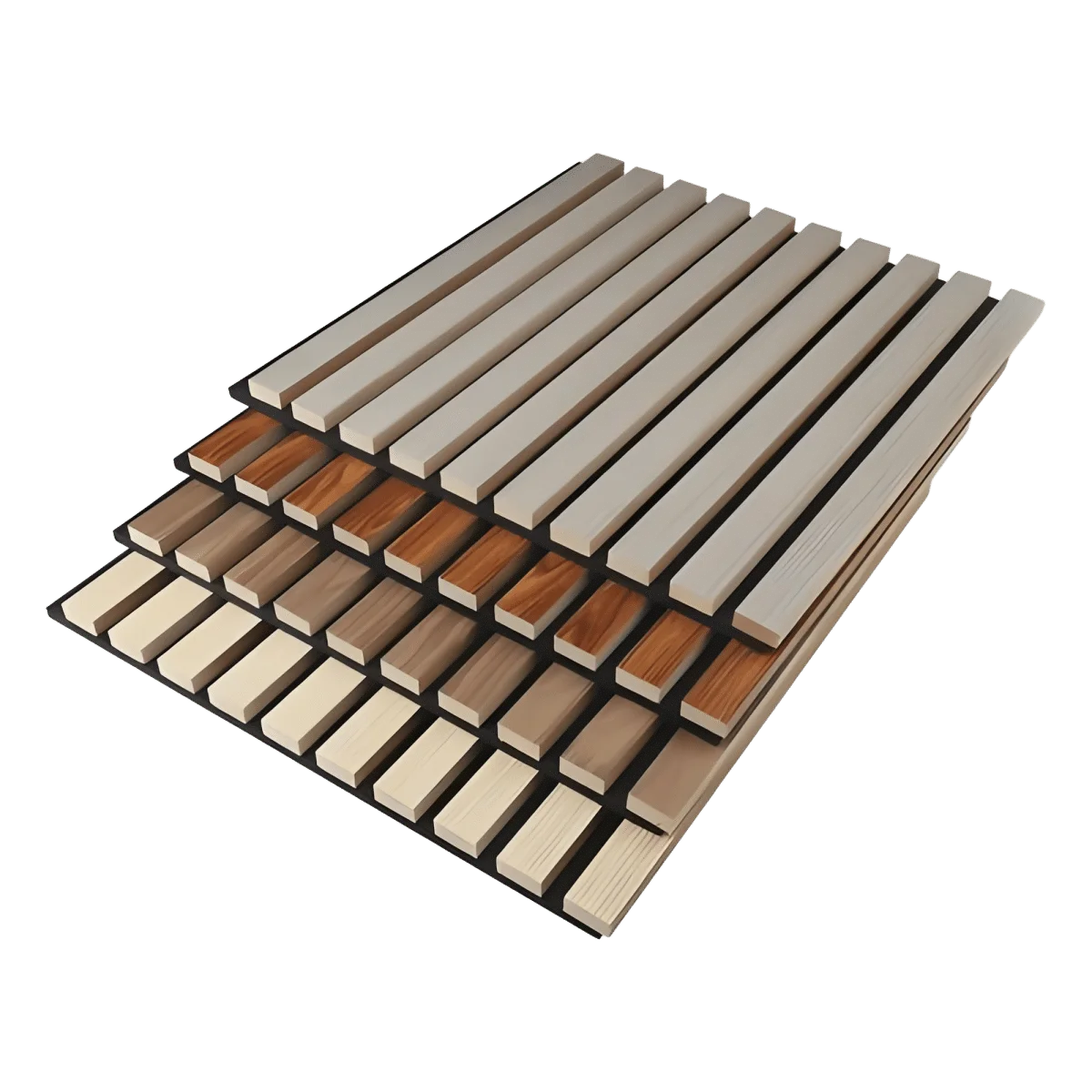
What Is Akupanel? A Practical Guide to Modern Acoustic Wall Panels
If you’ve been researching ways to tame echo in home offices, podcast studios, open-plan offices, or even living rooms—chances are you’ve stumbled upon the term akupanel. It’s not a brand, nor a proprietary tech—it’s a widely adopted, generic descriptor for high-performance, modular acoustic wall panels designed for both function and aesthetics. Think of akupanel as the quiet hero behind clearer calls, richer music playback, and calmer workspaces.
Unlike bulky foam tiles or industrial-looking baffles, modern akupanel systems combine natural materials (like wood wool, recycled felt, or bio-based composites), precise NRC (Noise Reduction Coefficient) tuning, and sleek, customizable designs. They’re often pre-finished, easy to install with hidden fixings or click systems, and—critically—certified for low VOC emissions and fire safety (e.g., Class A or B-s1,d0 ratings).
What sets akupanel apart isn’t just sound absorption—it’s how seamlessly it bridges interior design and acoustic science. A single 60×120 cm akupanel can deliver an NRC of 0.75–0.95 depending on thickness and core, meaning it absorbs up to 95% of mid-to-high frequency sound energy on contact. And because many are made with breathable, porous substrates, they also help regulate indoor humidity and improve air quality—bonus points for wellness-focused spaces.
Whether you’re retrofitting a noisy café, upgrading a hybrid meeting room, or building a vocal booth from scratch, choosing the right akupanel means asking the right questions—not just about decibel reduction, but about sustainability, scalability, and long-term maintenance.
Frequently Asked Questions (FAQs)
1. Is “akupanel” a brand name or a generic term?
No—it’s a descriptive, non-proprietary term (often written as “akupanel”, “aku panel”, or “acoustic panel”) used across European and global suppliers to refer to architecturally integrated, high-absorption wall panels. You’ll see it in B2B catalogs, technical datasheets, and acoustic consultancy reports—but it’s not trademarked by any single company.
2. How does akupanel differ from regular acoustic foam or fiberglass panels?
Big time. Standard acoustic foam is mostly effective in studios for high-frequency control (and often lacks fire certification). Fiberglass panels work well but can be fragile and require covering. Akupanel, by contrast, is typically a composite: a rigid, dense absorber core (e.g., wood wool or mineral wool) sandwiched between breathable, decorative facings (like felt, perforated wood, or recycled textile). It’s safer, more durable, visually refined—and engineered for real-world environments, not just controlled labs.
3. Can akupanel help with low-frequency noise (like bass or HVAC rumble)?
Standard akupanel designs excel at mid-to-high frequencies (250–4000 Hz)—ideal for speech intelligibility and reducing flutter echo. For low-end energy (<125 Hz), you’ll need either thicker panels (≥60 mm), hybrid constructions (e.g., membrane-backed or resonant cavity variants), or complementary solutions like bass traps. Always check the full 1/3-octave absorption curve—not just the NRC—when targeting low-frequency control.
4. Are akupanel systems eco-friendly?
Many are—and transparency is increasing. Leading akupanel lines use FSC-certified wood, >70% recycled content (e.g., PET felt from plastic bottles), natural binders (no formaldehyde), and are fully recyclable at end-of-life. Look for EPDs (Environmental Product Declarations), Declare Labels, or Cradle to Cradle certifications. Bonus: natural fiber cores often support biophilic design goals and contribute to WELL Building Standard credits.
5. How easy is akupanel to install—and can I do it myself?
Yes—especially with modern click-mount, rail-based, or adhesive-back systems. Most panels come with detailed installation guides, and many suppliers offer virtual support or certified installer networks. For walls with standard stud spacing (400–600 mm), it’s often a weekend DIY project. Just remember: placement matters. Prioritize first-reflection points (e.g., side walls at ear level between speaker and listener), and avoid covering entire walls—strategic coverage (25–40% of surface area) usually delivers optimal results without over-dampening.
Whether you’re an architect specifying for a new build, a facilities manager tackling open-office noise, or a creator building your dream recording nook—understanding akupanel isn’t about memorizing jargon. It’s about recognizing a smart, human-centered tool that makes spaces work better, sound better, and feel better. Start small, measure before and after, and don’t underestimate the power of well-placed quiet.
{1, akupanel} {2, acoustic panels} {3, sound absorption} {4, interior acoustics} {5, sustainable design}
本文由人工智能技术生成,基于公开技术资料和厂商官方信息整合撰写,以确保信息的时效性与客观性。我们建议您将所有信息作为决策参考,并最终以各云厂商官方页面的最新公告为准。