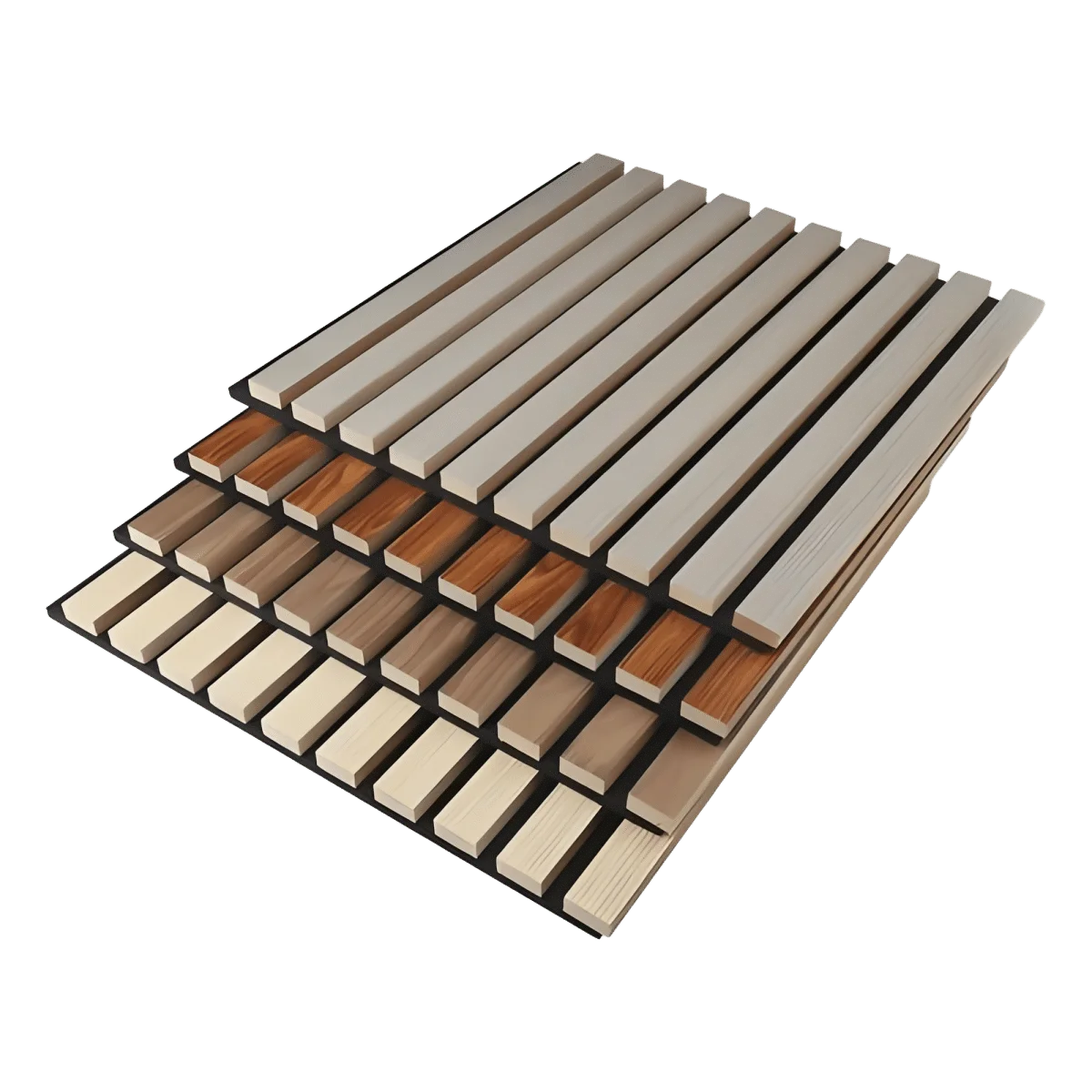
What Is Akupanel? A Practical Guide to Acoustic Wall Panels That Actually Work
If you’ve ever walked into a modern office, boutique studio, or even a cozy home library and instantly noticed how quiet and focused the space felt—chances are, akupanel played a quiet but critical role behind the scenes. No, it’s not a sci-fi gadget or a typo—it’s a smart, design-forward solution for real-world acoustic challenges.
Akupanel is a premium line of modular acoustic wall panels—engineered in Europe, widely adopted across commercial and residential projects, and praised for blending high-performance sound absorption with minimalist aesthetics. Unlike bulky foam tiles or industrial-looking baffles, akupanel panels are crafted from sustainable wood fiber (often FSC-certified), finished with natural veneers or subtle fabric wraps, and designed to integrate seamlessly into architecture—not fight it.
What sets akupanel apart isn’t just how it looks—it’s how it performs. With an NRC (Noise Reduction Coefficient) rating up to 0.95 (depending on configuration and mounting), a single akupanel can absorb nearly 95% of mid-to-high frequency sound—think: human speech, keyboard clatter, video call echoes, and HVAC hum. And because it’s modular, you’re not stuck with “one size fits all.” You can mix panel depths (25 mm, 40 mm, or 60 mm), choose from open-back or closed-back mounting, and even integrate lighting or shelving—without sacrificing acoustic integrity.
Whether you’re a designer specifying materials for a wellness center, a remote worker upgrading their home office, or a facility manager tackling classroom reverberation, akupanel offers a rare balance: certified performance, sustainable sourcing, and design flexibility—all in one system.
Frequently Asked Questions (FAQs)
Q1: Is akupanel only for commercial spaces?
Nope! While it’s popular in open-plan offices and co-working hubs, akupanel is equally effective—and increasingly common—in home studios, podcast rooms, living rooms with large windows, and even bedrooms where external noise or internal echo is an issue. Its clean lines and natural finishes make it feel residential, not institutional.
Q2: How does akupanel compare to standard acoustic foam?
Acoustic foam is lightweight and affordable—but it’s mostly effective at high frequencies and offers little to no low-mid absorption. Akupanel, thanks to its dense, porous wood fiber core and strategic air gap options, delivers broadband absorption (especially when mounted with a 20–50 mm cavity). It’s also fire-rated (Class B-s1,d0 in Europe / ASTM E84 Class A in the US), non-toxic, and fully recyclable—foam rarely checks all three.
Q3: Can I install akupanel myself?
Yes—many users do! The system uses a simple, tool-free click-and-lock rail or low-profile Z-clip mounting. Panels align precisely, require no special adhesives or framing, and can be repositioned or replaced individually. That said, for large-scale or ceiling-mounted applications, we recommend working with an acoustic consultant or certified installer to optimize coverage and performance.
Q4: Does akupanel help with soundproofing?
Important distinction: akupanel is for sound absorption—not soundproofing. It reduces echo, reverberation, and in-room noise buildup, making speech clearer and environments calmer. To block sound transmission (e.g., noise from next door), you’d need mass, decoupling, and sealing—like resilient channels, double drywall, or acoustic caulk. Akupanel complements those systems beautifully—but doesn’t replace them.
Q5: Are akupanel panels sustainable?
Absolutely. They’re made from 100% renewable, rapidly grown wood fibers (often from European forestry byproducts), bound with bio-based resins—not formaldehyde or PVC. All panels are Cradle to Cradle Certified™ Silver, and packaging is fully recyclable. Bonus: their long lifespan (25+ years) and repairable/modular design support circularity—no full-wall tear-outs needed for updates.
Bottom line? Akupanel isn’t just another acoustic product—it’s a thoughtful response to how we live and work today: acoustically aware, visually intentional, and environmentally responsible. If your space feels “too loud” or “too empty,” it might not need more volume—it just needs better acoustics. And that’s where akupanel steps in—quietly, confidently, and beautifully.
{1, akupanel} {2, acoustic panels} {3, sound absorption} {4, office acoustics} {5, sustainable design}
本文由人工智能技术生成,基于公开技术资料和厂商官方信息整合撰写,以确保信息的时效性与客观性。我们建议您将所有信息作为决策参考,并最终以各云厂商官方页面的最新公告为准。