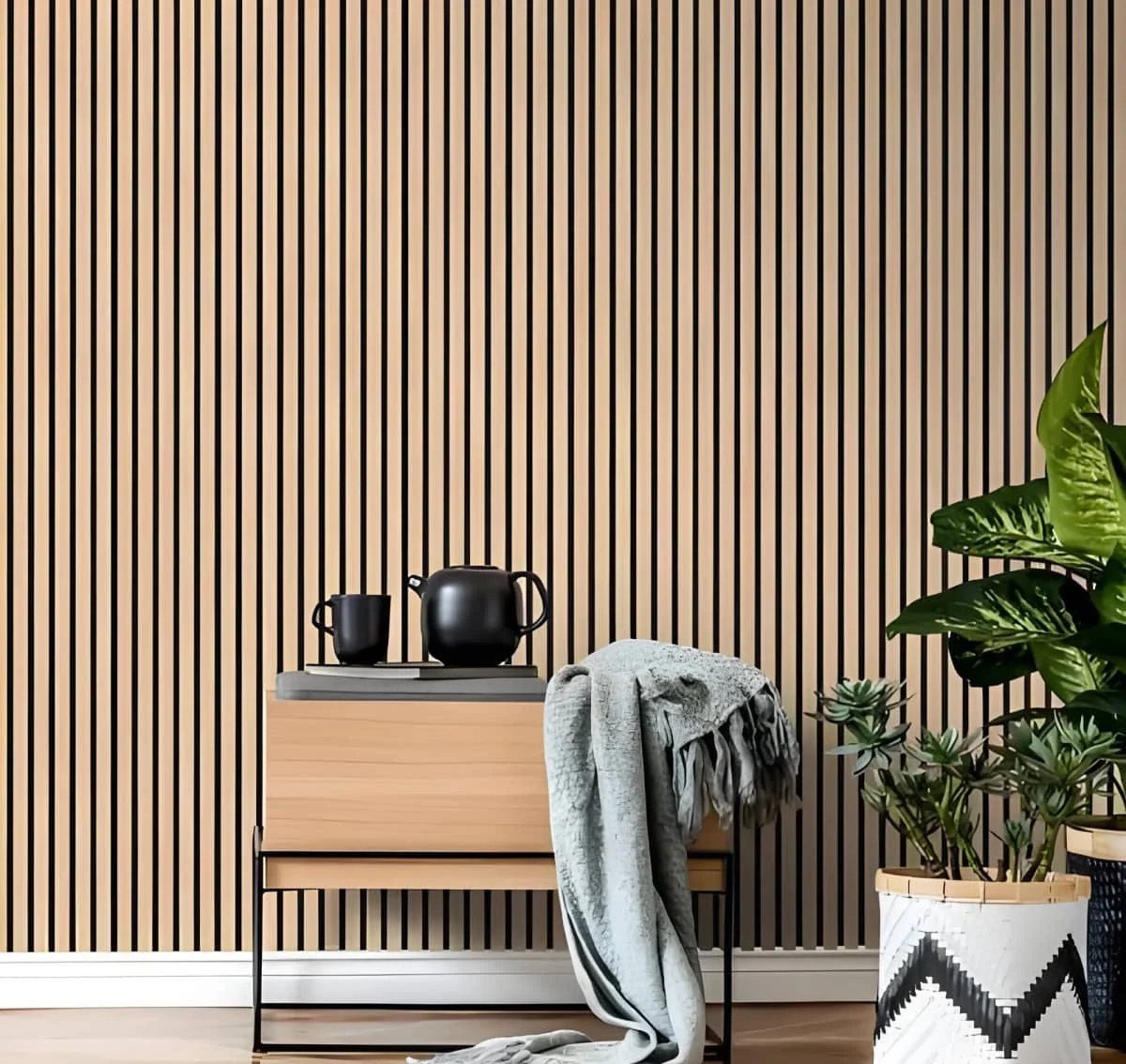
What Is Akupanel and Why It’s Revolutionizing Acoustic Design
If you’ve been researching modern acoustic solutions for offices, studios, or even home theaters, you might have come across the term akupanel. But what exactly is it? And why are architects, interior designers, and sound engineers buzzing about it? In this article, we’ll dive deep into akupanel—what it is, how it works, where it’s used, and why it’s becoming a go-to choice for acoustic optimization.
Understanding Akupanel: More Than Just a Sound Panel
An akupanel is a high-performance acoustic panel designed to absorb sound and reduce noise pollution in indoor environments. Unlike traditional foam panels or basic fabric-wrapped boards, akupanel combines aesthetic appeal with advanced sound absorption technology. These panels are typically made from sustainable materials like recycled wood fibers or mineral wool, encased in breathable fabric that allows sound waves to penetrate and be absorbed efficiently.
One of the standout features of akupanel is its modular design. This means you can mix and match sizes, colors, and even patterns to fit your space—whether it’s a minimalist office or a vibrant creative studio. Plus, many models are Class A fire-rated and meet strict indoor air quality standards, making them safe for commercial and residential use.
Where Are Akupanels Commonly Used?
The versatility of akupanel makes it ideal for a wide range of environments:
- Office Spaces: Open-plan offices often suffer from excessive noise. Akupanels mounted on walls or ceilings help reduce reverberation, improving speech clarity and focus.
- Recording Studios: Precision in sound is everything. Akupanels offer consistent acoustic performance, helping eliminate echo and standing waves.
- Educational Institutions: Classrooms with poor acoustics can hinder learning. Akupanels enhance speech intelligibility, benefiting both teachers and students.
- Hospitality: From hotel lobbies to restaurants, akupanels contribute to a more comfortable acoustic experience for guests.
- Home Theaters & Media Rooms: Want a cinematic experience without the echo? Akupanels help create a balanced sound environment.
Why Choose Akupanel Over Other Acoustic Solutions?
While there are many acoustic panels on the market, akupanel stands out for several reasons:
- Design Flexibility: Available in various shapes, colors, and finishes—some even customizable with printed graphics.
- Eco-Friendly: Many akupanels are made from recycled or renewable materials, appealing to green building standards like LEED.
- Easy Installation: Most panels use simple hanging systems or adhesive mounting, making retrofitting a breeze.
- Durable & Low Maintenance: Resistant to sagging, discoloration, and dust buildup—ideal for long-term use.
How to Install Akupanel: A Quick Guide
Installing akupanel doesn’t require specialized tools. Here’s a basic step-by-step process:
- Assess Your Space: Identify problem areas—usually large, flat walls or ceilings where sound reflects.
- Plan Panel Placement: Use a layout tool or consult an acoustic specialist to determine optimal positioning.
- Mount the Panels: Use Z-clips, adhesive, or suspension systems depending on your ceiling or wall type.
- Test the Acoustics: After installation, do a quick sound check. Clap your hands or play audio to notice the difference in echo.
Pro tip: For best results, combine wall-mounted akupanels with ceiling clouds or baffles to tackle sound from multiple angles.
5 Frequently Asked Questions About Akupanel
1. What materials are akupanels made from?
Most akupanels use a core of mineral wool, recycled cotton, or wood fiber, wrapped in acoustically transparent fabric. These materials are chosen for their high NRC (Noise Reduction Coefficient) ratings and sustainability.
2. Can I customize the look of my akupanel?
Absolutely! Many manufacturers offer custom colors, fabric types, and even digital printing options. You can turn your akupanel into a piece of art while improving acoustics.
3. Do akupanels work for low-frequency sounds?
Standard akupanels are most effective at mid to high frequencies. For bass absorption, consider pairing them with bass traps or using thicker panels designed for low-frequency control.
4. Are akupanels suitable for humid environments?
Yes, but make sure to select moisture-resistant models. Some akupanels are specifically engineered for high-humidity areas like bathrooms or indoor pools.
5. How do I clean and maintain akupanels?
Maintenance is minimal. Most panels can be gently vacuumed or wiped with a damp cloth. Avoid harsh chemicals to preserve the fabric and acoustic properties.
Final Thoughts: Is Akupanel Right for You?
If you’re serious about creating a space with better sound quality and visual appeal, akupanel is definitely worth considering. It’s not just another acoustic panel—it’s a smart blend of function, design, and sustainability. Whether you’re a business owner, a homeowner, or a design professional, akupanel offers a practical solution to common noise problems without compromising on style.
As workplaces evolve and remote collaboration increases, acoustic comfort is no longer a luxury—it’s a necessity. And with akupanel, achieving that balance has never been easier.
本文由人工智能技术生成,基于公开技术资料和厂商官方信息整合撰写,以确保信息的时效性与客观性。我们建议您将所有信息作为决策参考,并最终以各云厂商官方页面的最新公告为准。